No edit summary |
No edit summary |
||
| (7 intermediate revisions by the same user not shown) | |||
| Line 1: | Line 1: | ||
{{#semorg-list:toolbox | {{#tweekihide:firstHeading|sidebar-right}} | ||
Welcome to the UNLOCK15-Toolbox - we are collecting tools to empower „agents of change“ from civil society as well as city officials to unlock existing lock-ins. We hope you will find some relevant tools to drive change towards mobility transition in your context! | |||
| | From experience, three types of tools are need for real change: tools to create and communicate evidence, tools to envision possible futures and scenarios and participatory tools for on-site action. | ||
{{#arraymap:Evidence,Vision,Action | |||
|, | |||
|xxx | |||
|{{#semorg-list:toolbox | |||
|links= | |||
|title=xxx | |||
|query=[[semorg-toolbox-tool-type::xxx]][[semorg-toolbox-visualisation::+]] | |||
|card template=toolbox | |||
|nopagination | |||
|limit=3 | |||
|order=rand | |||
|intro=<div class="mb-2">{{xxx-intro}}</div> | |||
}}[[xxx|more tools for xxx…]] | |||
| | |||
}} | }} | ||
Latest revision as of 14:04, 19 May 2026
Welcome to the UNLOCK15-Toolbox - we are collecting tools to empower „agents of change“ from civil society as well as city officials to unlock existing lock-ins. We hope you will find some relevant tools to drive change towards mobility transition in your context!
From experience, three types of tools are need for real change: tools to create and communicate evidence, tools to envision possible futures and scenarios and participatory tools for on-site action.
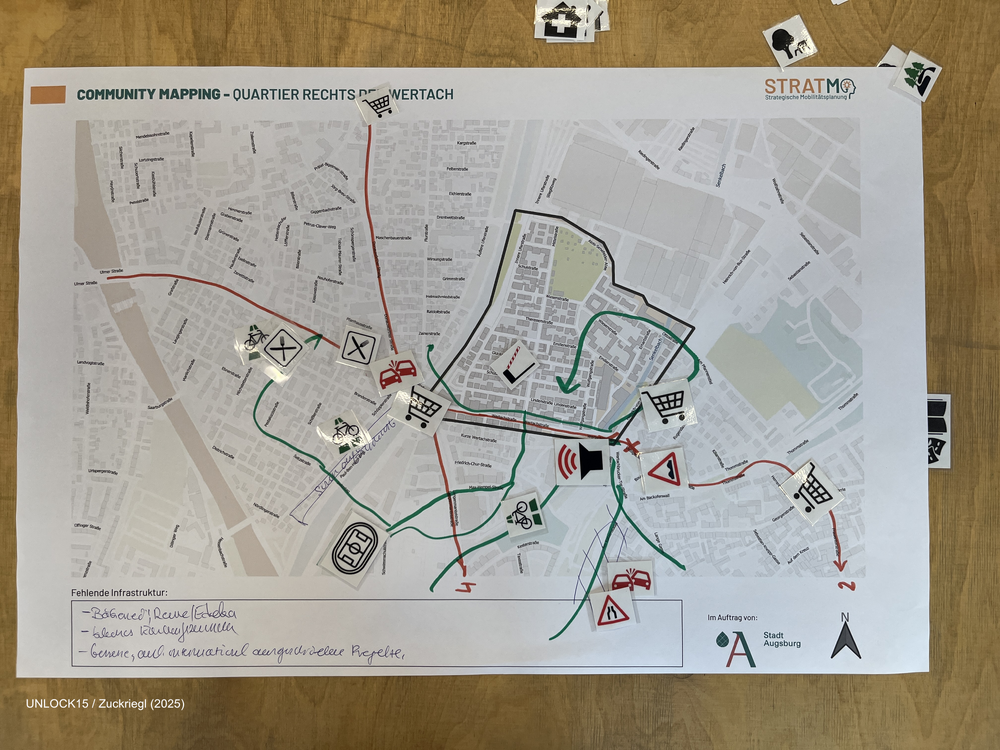
Community mapping
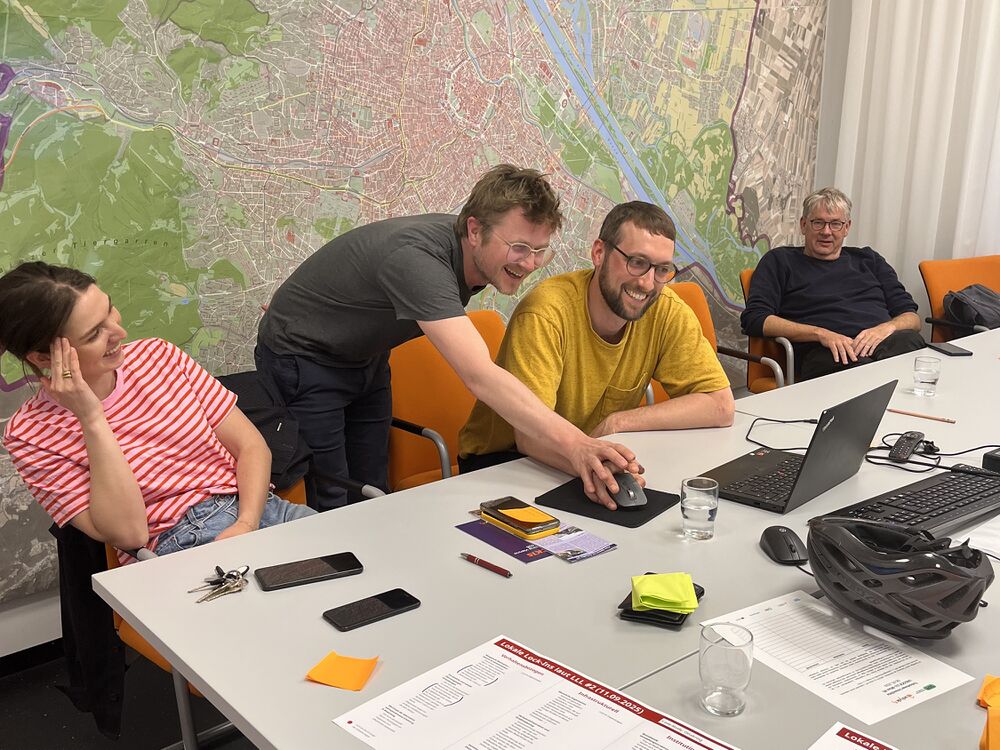
Joint Survey between initiatives and district politics
A joint survey between district politics and initiatives has potential to drive change. A survey means to ask inhabitants of an area what they like or don't like about status quo and what they want to change. The initiative has local knowledge of the area and knows what is important to ask. The survey results give politicans guidance what kind of change is backed up by the inhabitants. From our experience a joint survey is possible when
- all involved people are amicable towards each other
- there is a third neutral party (for example science project or neighbourhood management) that coordinates the process
Measuring the speed of public transport
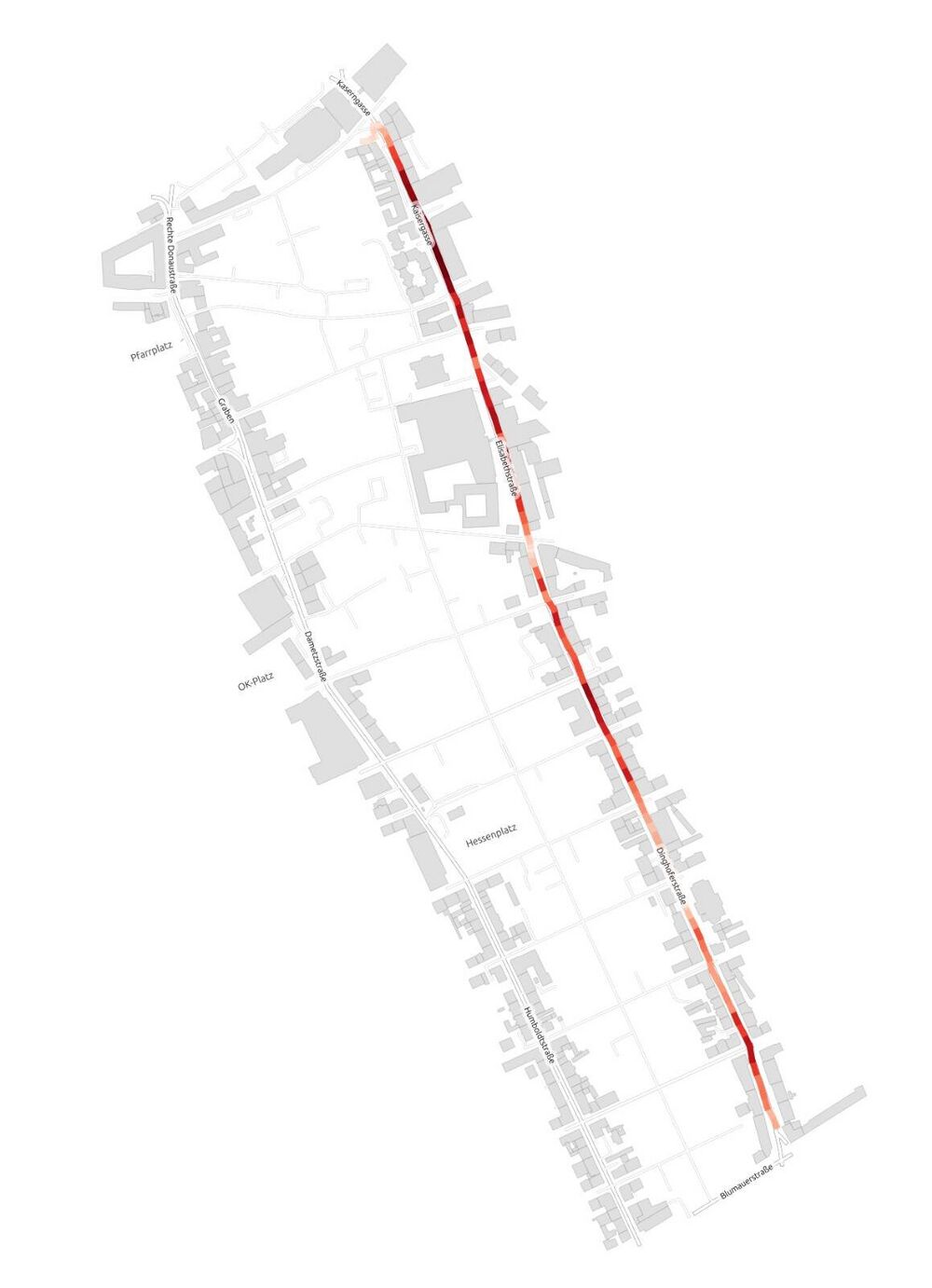
"We can’t reduce the speed limit on this road because the busses would loose time!“ This or similar arguments may come up in discussions about street transformations. In those situations, it can help to bring evidence into the discussion. For example by measuring the speed of busses. Think in advance how to make your data collection as valid as possible within your ressources. To produce solid evidence about the speed of public transport we suggest the following steps:
- Make a plan how you will collect your data: What do you want to measure (one busline in both directions between bus stop X and Y), when (on peak/off peak, which days) and how often (how many times per day)
- Install an App that collects GPX-Tracks (data that links speed with location)
- Ride the busses according to your data collection plan
- Find someone who knows how to use QGIS (open source program for making maps) and install the plug-in for GPX Segment importer (https://plugins.qgis.org/plugins/GpxSegmentImporter/#plugin-about)
- If everything works out the result should be maps like the ones you see here.
- Think about how you want to communicate the data: In a confidential setting or rather to a bigger audience?

Onboarding framework
The Onboarding Framework is a structured yet flexible tool designed to help grassroots civil society initiatives welcome and integrate new volunteers with as little friction as possible.
The framework helps initiatives answer three core questions: What does a new volunteer need to know, feel, and do to get started? Where do their skills and interests fit best? And how can the organization make that first step feel easy, welcoming, and worthwhile?
By providing a clear path from curiosity to commitment, the Onboarding Framework reduces dropout at the earliest stage, builds a sense of belonging from day one, and ensures that volunteer energy is channeled effectively — strengthening the initiative's capacity from the bottom up.
Headlines from the future
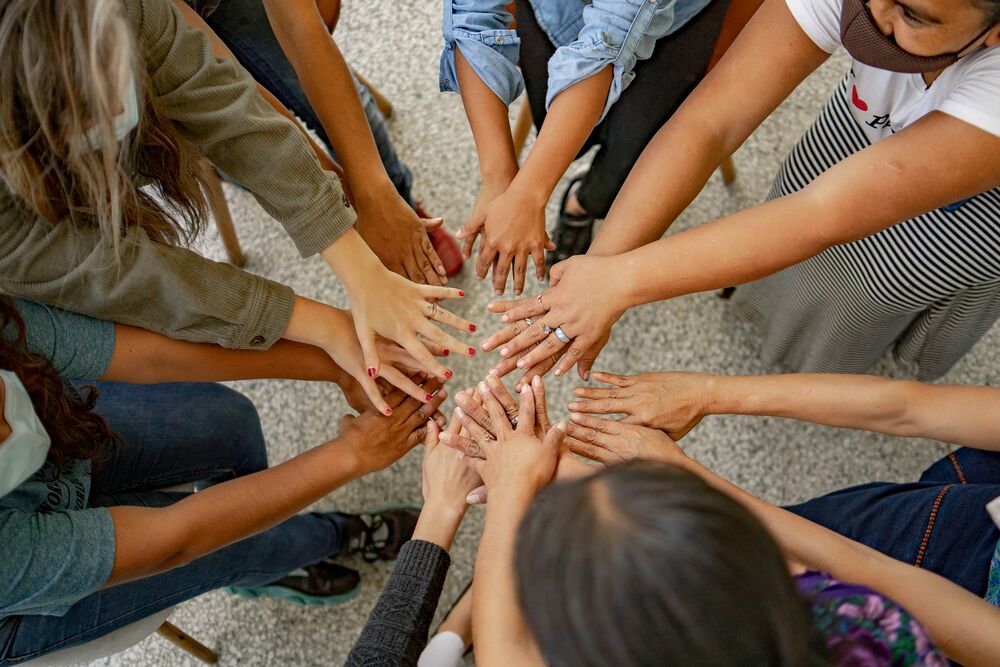
Creating a team culture

Placemobil - Tactical Urbanism
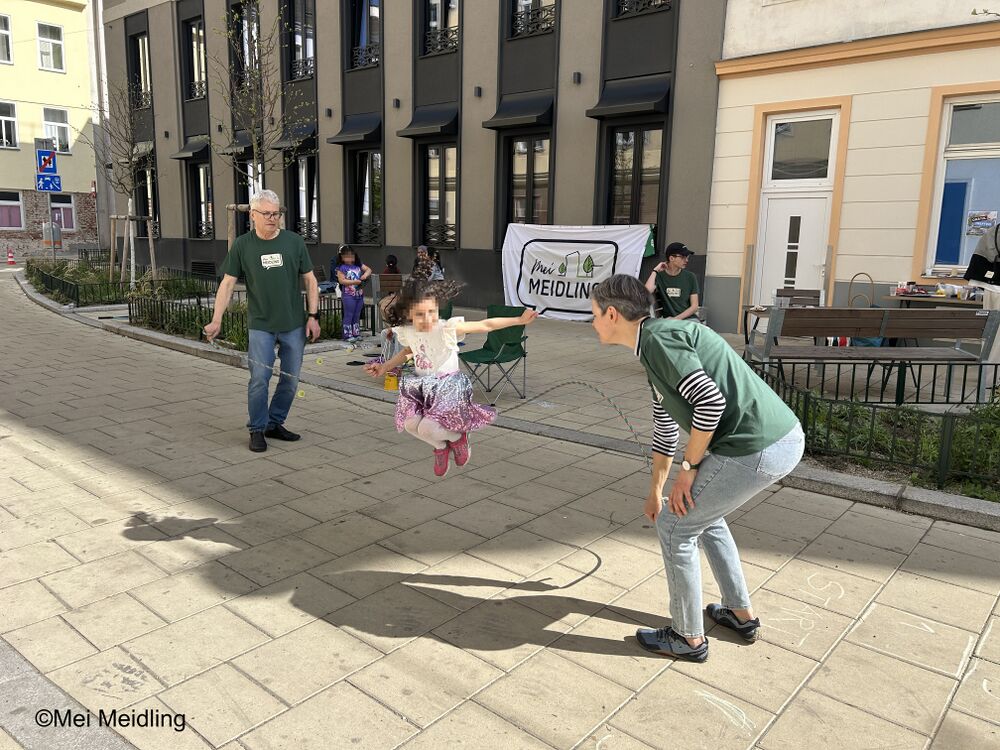
Streetgames