From Unlock15
No edit summary |
No edit summary |
||
| Line 10: | Line 10: | ||
|limit=3 | |limit=3 | ||
|order=rand | |order=rand | ||
}}[[xxx| | }}[[xxx|more tools for xxx…]] | ||
| | | | ||
}} | }} | ||
Revision as of 13:46, 15 May 2026
Evidence
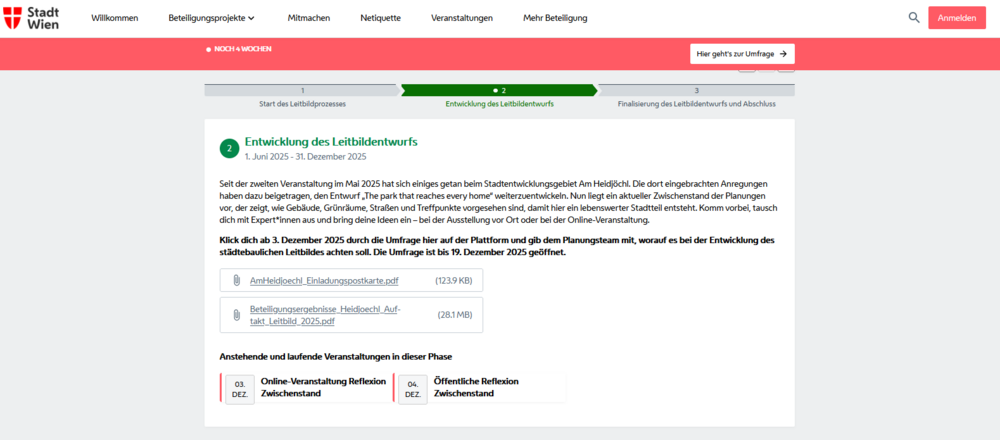
Centralized participation platform
"Mitgestalten.wien" is an example for a centralized participation plattform. We used it to run a survey for Unlock15 in Vienna about the future development of a street. "decidim.org" and "govocal.com" are plattforms that can help you set up a centralised participation plattform.

Petition: Collect signatures to back up your local vision!
You have a very clear picture of the local change you want to achieve? You want to show decision makers how much support your vision locally has? Then a petition might be your cup of tea to drive change.
Staging evidence for safer school streets
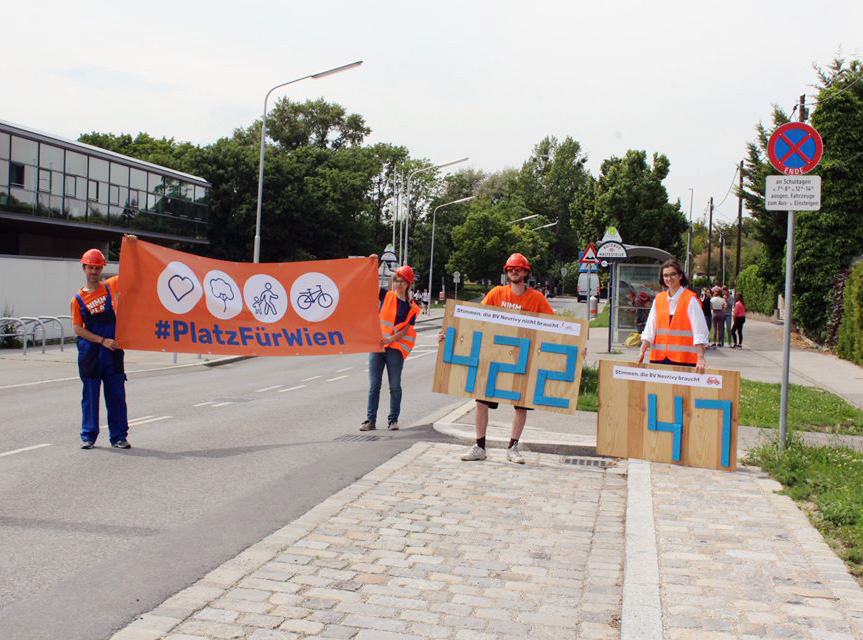
Excel sheets come to your mind when thinking of evidence? Think twice! The initiative "Wir machen Wien" showed powerfully how to not only collect valuable evidence, but also how to stage it in a dramatic way. They counted bikes, pedestrians and cars in a street in front of a school. The data showed a vast majority of the users (422) use the street by foot or bike. Nevertheless, the street is designed for cars, that represent a minority of the users (47). They designed wooden signs that clearly showed this discrepancy to passers-by, which sparked conversations. They also staged a photo, that you can see attached. They used the photo in a press release, which made local newspapers cover the story.
Vision
Local project advisory board
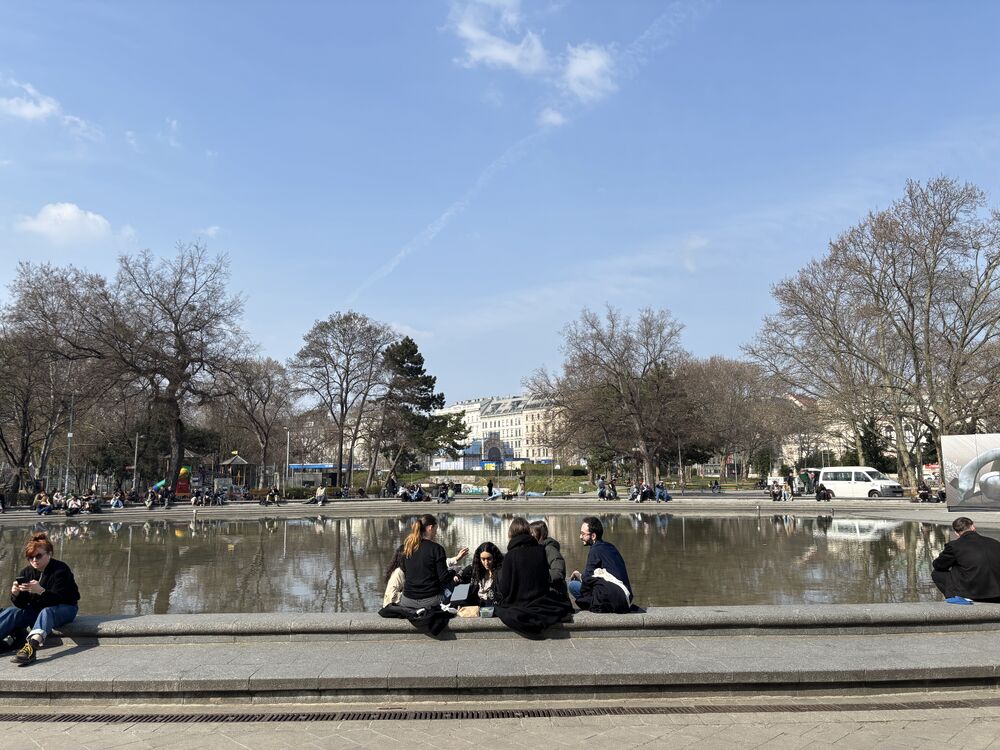
A local project adivsory board is made out of local people e.g. shop owners, residents as well as people from the administration. The various perspectives provided by the project advisory board are intended to help identify planning requirements at an early stage and to take them into account more effectively as the project progresses. They act, so to speak, as seismographs for the mood and needs within the neighbourhood.

Efficient decision making in low hierarchy settings
Sociocracy is a governance and decision-making method designed to enable self-organization in groups and organizations without traditional top-down authority. Rather than relying on majority votes or hierarchical decisions, sociocracy is based on the consent principle: a decision is valid as soon as no member of the circle has a serious, well-founded objection — meaning arguments count, not the number of votes.

Align on Your Impact Goals
Get crystal clear on the change you want to achieve, in the near-term and long-term. Impact is a very loosely used term universally, and can be used to describe an influence or effect on virtually anything. Taking time to explore and align on your impact goals will ensure that your team and stakeholders are all working towards the same vision of success.
Action

Crosswalk action
During their campaign for a safer city, the initiative "Platz für Wien" temporarily rolled out crosswalks. Places were chosen where crosswalks would make a big difference for the safness of pedestrians.
Gamification of climate friendly behaviour
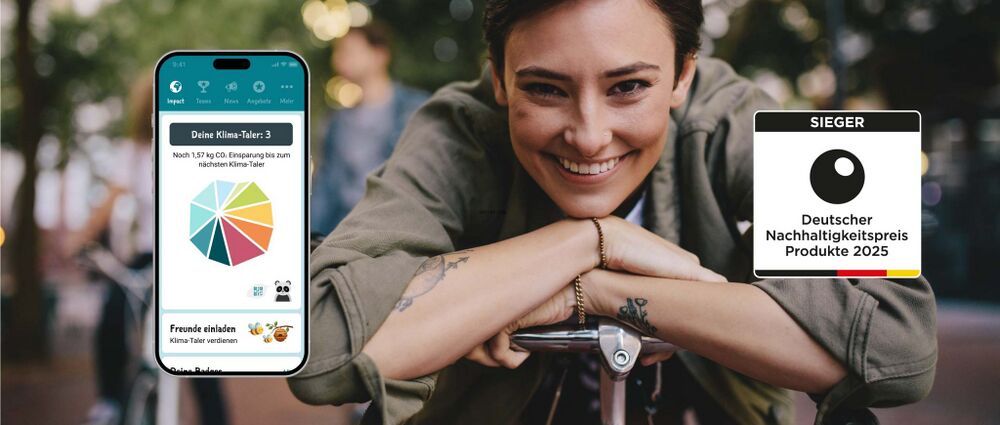
Gamification is the application of game-design mechanics — such as points, rewards, competitions, challenges, and progress tracking — to non-game contexts in order to motivate behaviour change. In the context of urban sustainability and mobility, it turns everyday choices like taking public transport, cycling, or saving energy into visible, rewarding actions that feel meaningful and fun rather than obligatory.
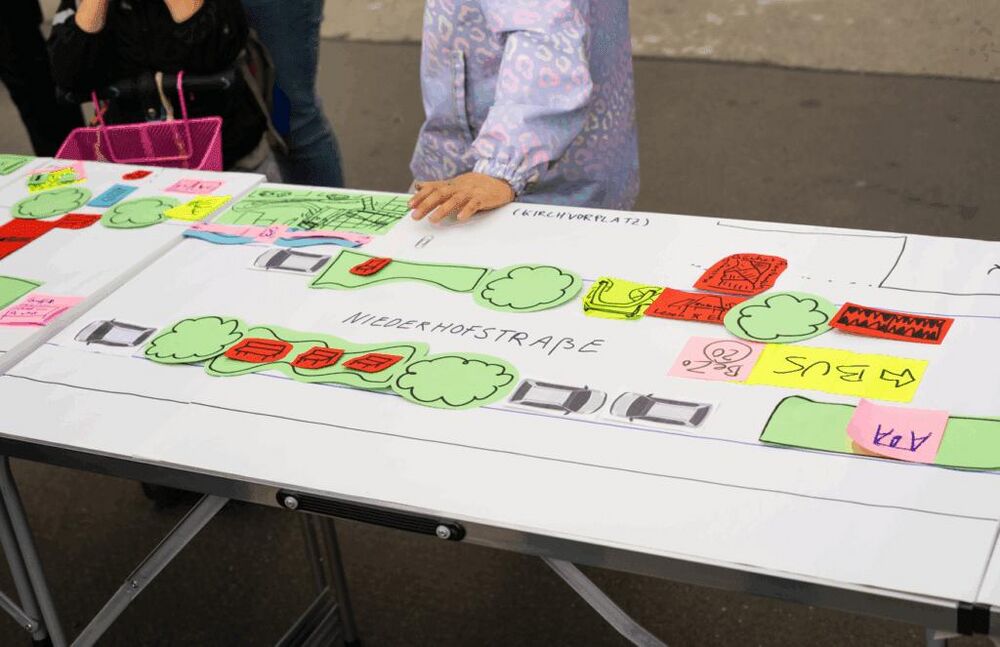
Streetdesign table
By setting up a table in the street, a big print of the layout of your street and pens you can provide a fun way to develop ideas for greening, traffic calming and street furniture. You could discuss with passers-by what uses they would like to see, what space is needed for them, and what ideas they can come up with. From a simple cycle path to a vibrant street park! If you live in Vienna, the platform WirMachenWien can assist and do the workshop with you.