From Unlock15
Revision as of 13:22, 15 May 2026 by Admin (talk | contribs)
Jump to: navigation, search
Evidence
Author/Licence: Marlene Wagner
Joint Survey between initiatives and district politics

A joint survey between district politics and initiatives has potential to drive change. A survey means to ask inhabitants of an area what they like or don't like about status quo and what they want to change. The initiative has local knowledge of the area and knows what is important to ask. The survey results give politicans guidance what kind of change is backed up by the inhabitants. From our experience a joint survey is possible when

  1. all involved people are amicable towards each other
  2. there is a third neutral party (for example science project or neighbourhood management) that coordinates the process
Author/Licence: prostorož
Collaborative heat maps
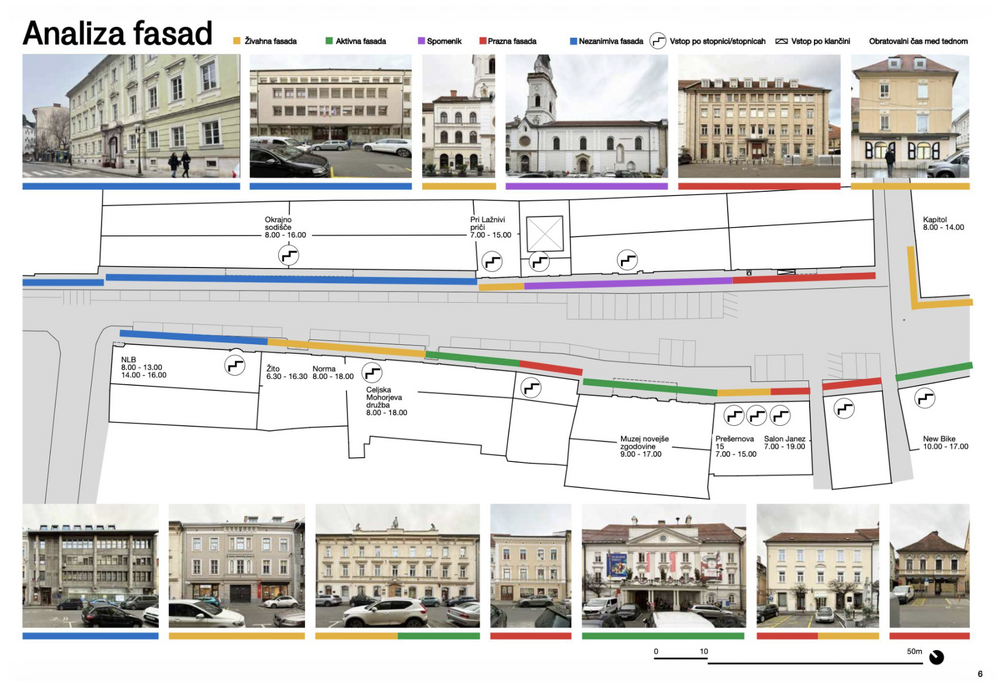
Websites like mapperoni and uMap let you create maps with layers in a minute, embed them in your site or share them with others to contribute. An example: The urban design office prostorož invited citizens of Ljubljana in 2020 to vote for locations they experience as hot. In three weeks, they cast around 700 votes. The data was consistent with the locations of heat islands measured by satellite thermal imaging. The responses showed that people change routes and habits in the summer or avoid certain locations in the city altogether due to the heat. Respondents also suggested their own cooling measures - they want more and bigger trees, less asphalt, less concrete, and less parking spaces. This map was then published in newspapers and reached a big audience.
Author/Licence: Tobias Haider
Measuring the speed of public transport

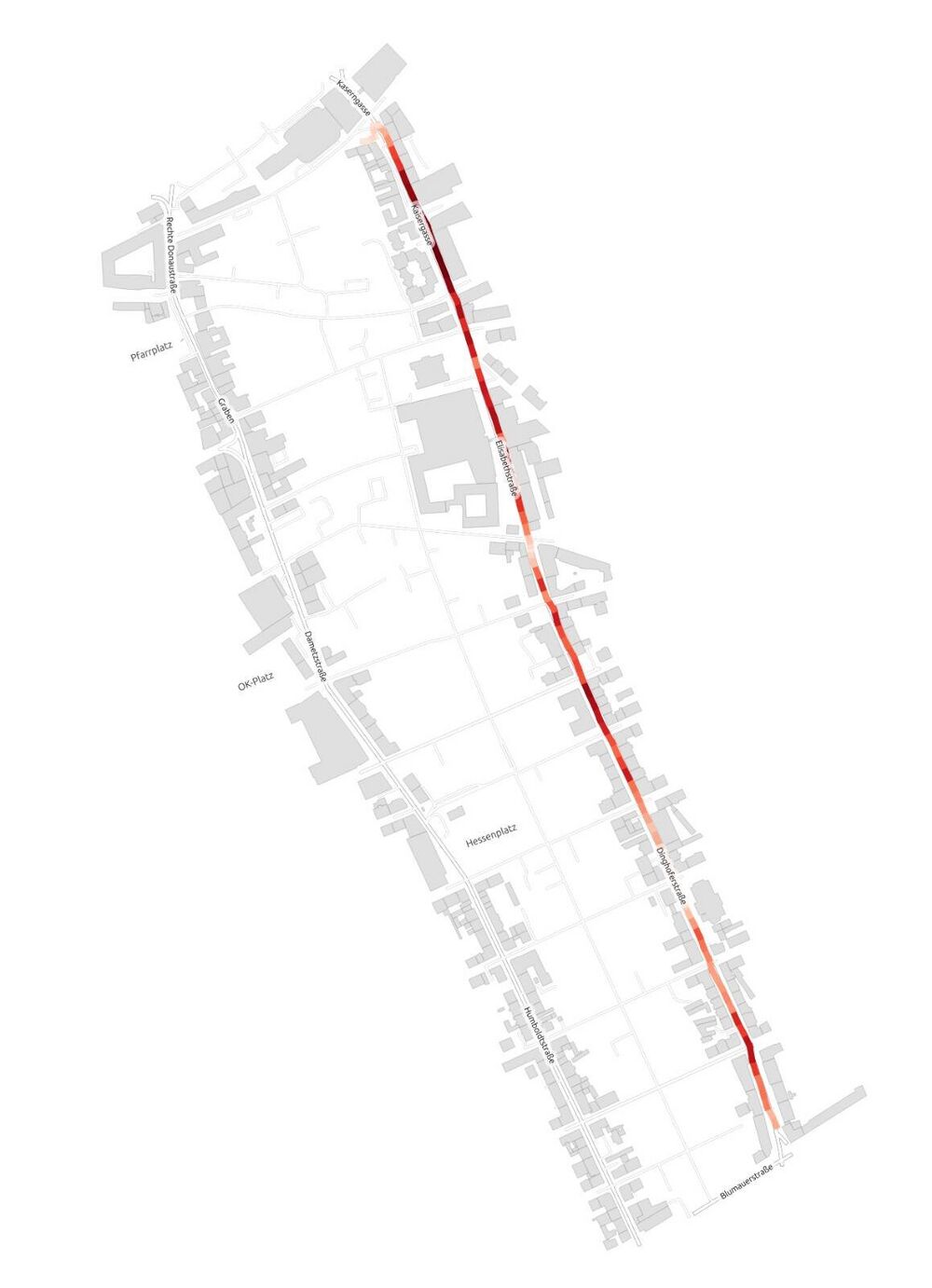
"We can’t reduce the speed limit on this road because the busses would loose time!“ This or similar arguments may come up in discussions about street transformations. In those situations, it can help to bring evidence into the discussion. For example by measuring the speed of busses. Think in advance how to make your data collection as valid as possible within your ressources. To produce solid evidence about the speed of public transport we suggest the following steps:

  1. Make a plan how you will collect your data: What do you want to measure (one busline in both directions between bus stop X and Y), when (on peak/off peak, which days) and how often (how many times per day)
  2. Install an App that collects GPX-Tracks (data that links speed with location)
  3. Ride the busses according to your data collection plan
  4. Find someone who knows how to use QGIS (open source program for making maps) and install the plug-in for GPX Segment importer (https://plugins.qgis.org/plugins/GpxSegmentImporter/#plugin-about)
  5. If everything works out the result should be maps like the ones you see here.
  6. Think about how you want to communicate the data: In a confidential setting or rather to a bigger audience?

Show all tools for Evidence…

Vision
Author/Licence: knowledgeworks.org
Forecasting change

The Futures Wheel is a visual foresight and brainstorming tool invented by American futurist Jerome C. Glenn in 1971, designed to graphically map the primary, secondary, and tertiary consequences of a specific event, trend, or change using a circular diagram with concentric rings radiating from a central hub.

The method works by placing a central change or issue at the core of the diagram — for example, a new policy, a social trend, or a strategic decision — and then working outward in layers. The first ring captures direct, first-order consequences; from each of those, a second ring of second-order consequences is generated, and so on — surfacing implications beyond the immediate and obvious, and helping develop an understanding of causality through ripple effects.
Author/Licence: IDEO.org
Align on Your Impact Goals
Get crystal clear on the change you want to achieve, in the near-term and long-term. Impact is a very loosely used term universally, and can be used to describe an influence or effect on virtually anything. Taking time to explore and align on your impact goals will ensure that your team and stakeholders are all working towards the same vision of success.
Author/Licence: Hannah Busing
Building durable groups with low hierachies
Defining goals, structures, roles and means of decision making are all crucial parts of founding and maintaining collectives, cooperatives, and other groups. Many aspects of organisation however remain ad hoc, informal and opaque, creating the possibility of power imbalances, misunderstandings and exclusion. The link will lead you to website with key questions that any group should consider and define during its formation.

Show all tools for Vision…

Action
Author/Licence: Platz für Wien
Placemobil - Tactical Urbanism
The Place Mobil is a cargo bike that takes up two parking spaces when unfolded. However, as it is officially classified as a bicycle, it can be parked anywhere in public spaces (including parking lots) free of charge and legally.
Author/Licence: Platz für Wien
Presswork to spread your vision
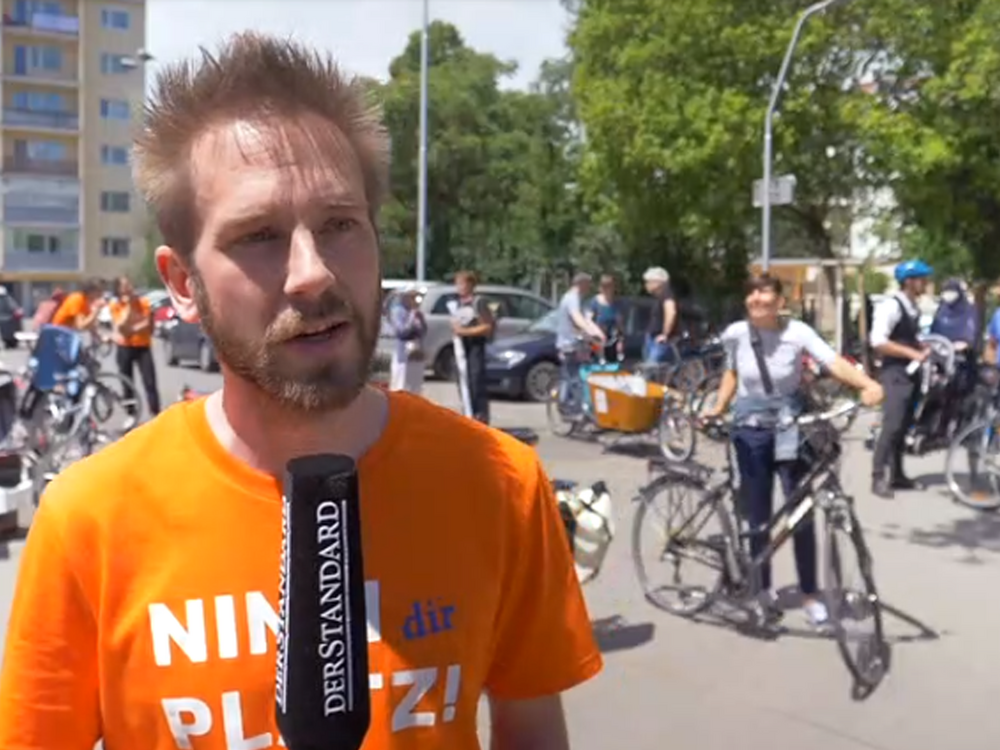
Presswork helps you to spread your vision of change. With a little preperation and a good idea, your work could be covered in the local news by tomorrow. Attached you will find a guide in english and german for successful presswork.
Author/Licence: Platz für Wien
Making specific demands that are backed up by evidence
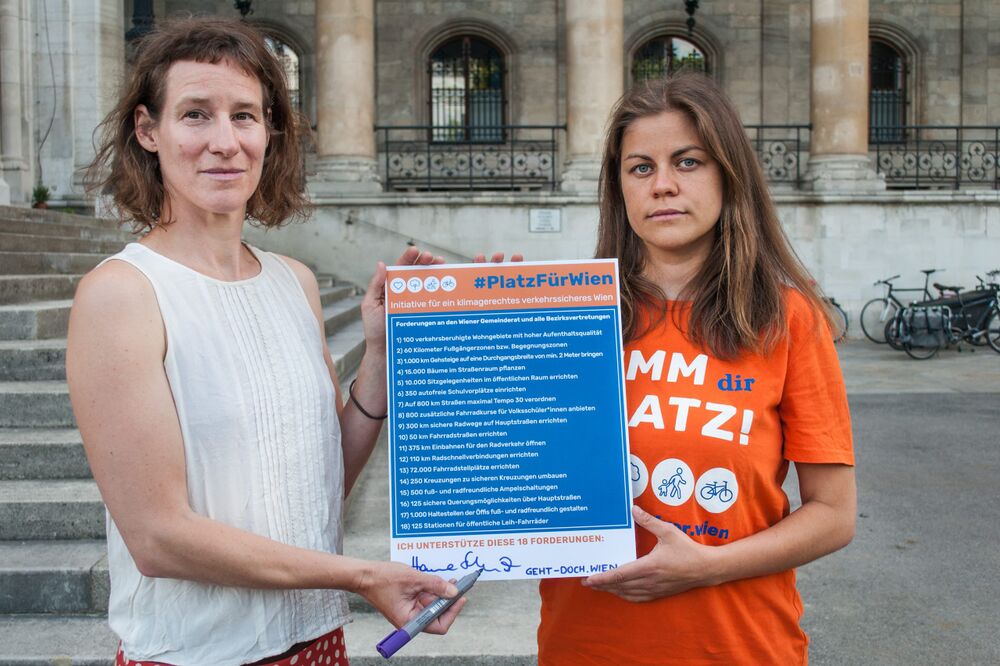
The "Platz für Wien" Initiative had a lasting impact on Vienna because they specified their demands and backed them up with scientific findings (e.g., demand for 50 km of bicycle lanes by 2030). They even has scientists speaking up for them, which made their demands even more valid.

Show all tools for Action…