From Unlock15
Welcome to the UNLOCK15-Toolbox - we are collecting tools to empower „agents of change“ from civil society as well as city officials to unlock existing lock-ins. We hope you will find some relevant tools to drive change towards mobility transition in your context!
From experience, three types of tools are need for real change: tools to create and communicate evidence, tools to envision possible futures and scenarios and participatory tools for on-site action.
Evidence
This type of tools help you to collect evidence, which supports the change you are aiming for. Some tools also allow crowd-based approaches to involve citizens in a broad manner. Evidence helps to convince decision makers to back-up change.
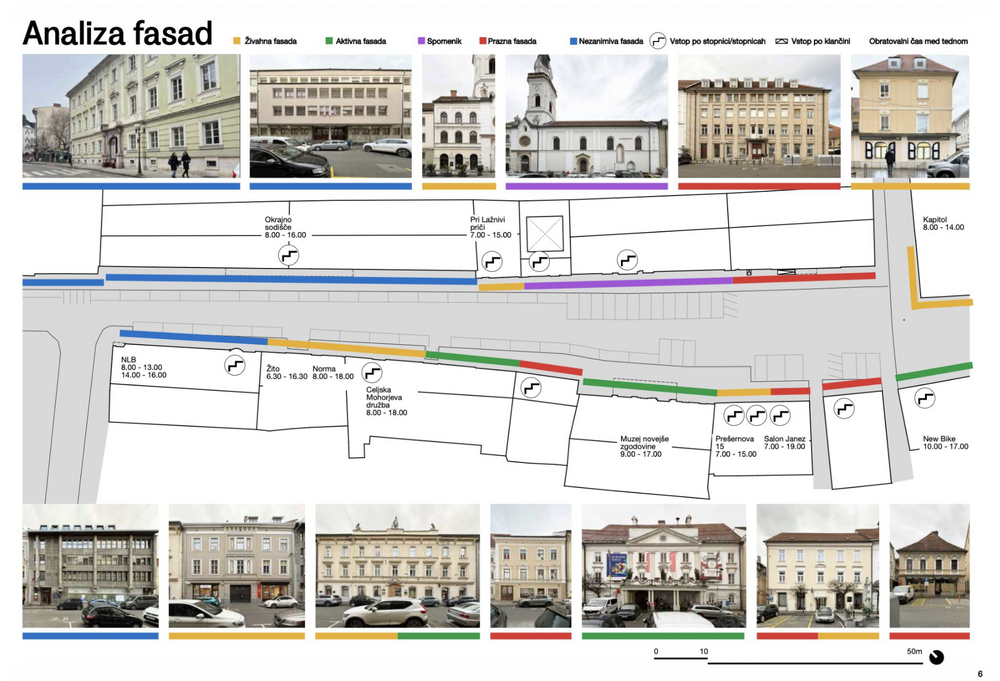
Mapping and analysing facades
"We need parking space otherwise our shops will die!" This is an argument often brought forward by opponents of street transformation. The urban design studio prostorož confronted this claim with evidence. Read more about how they did it!
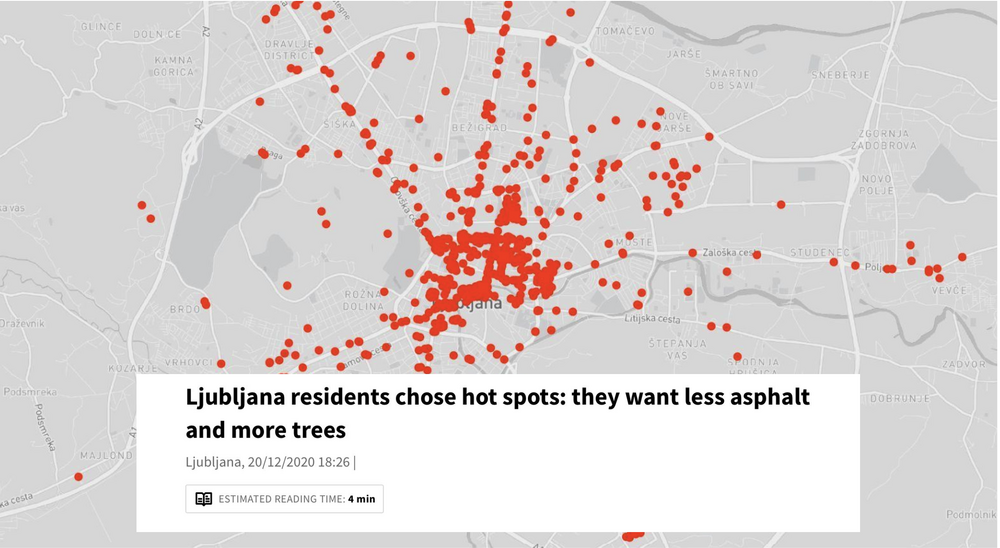
Collaborative heat maps
This tool allows you to create collaboratively maps! Drawing from the knowledge of many people, maps can become a powerful communication tool.
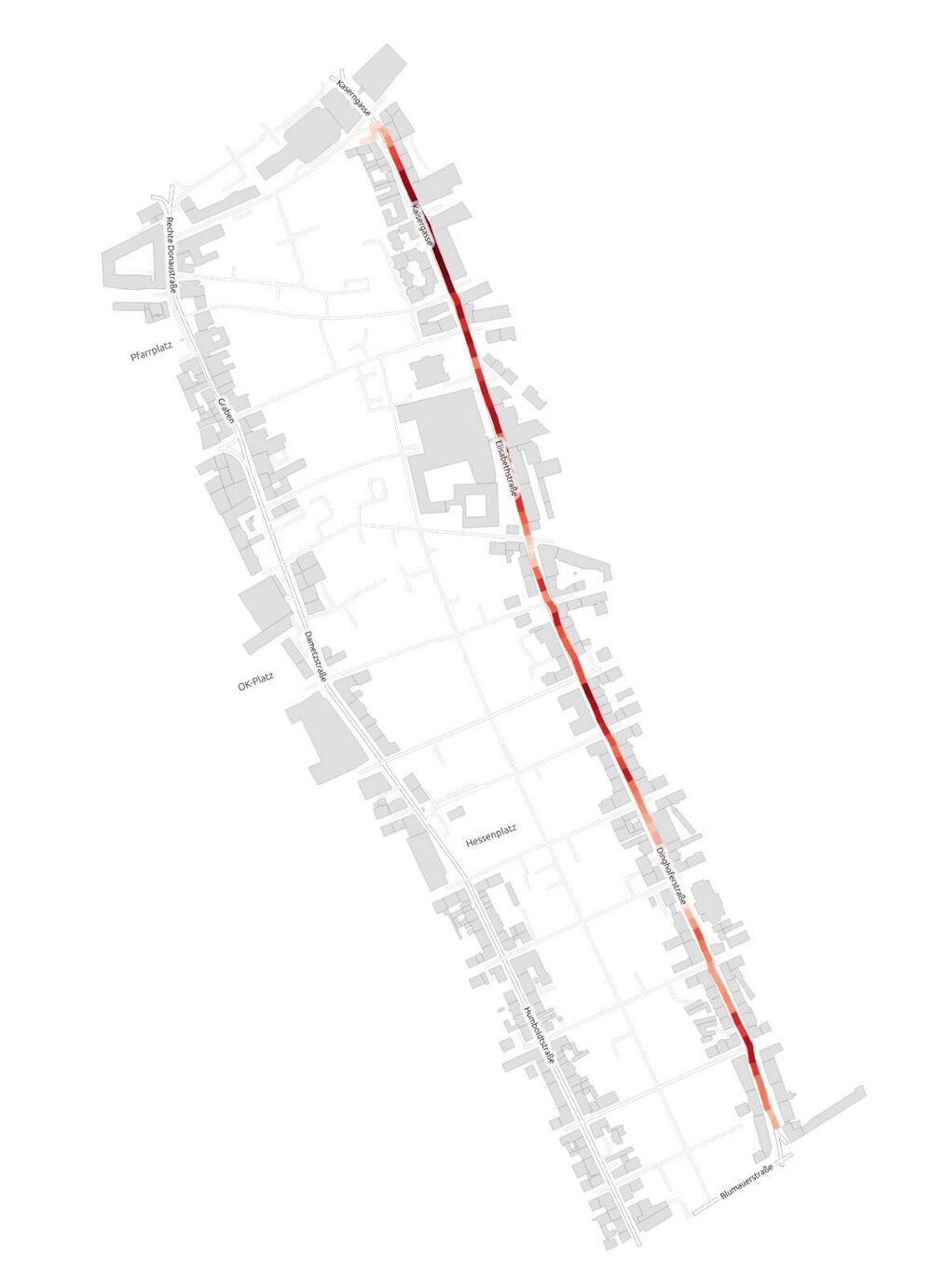
Measuring the speed of public transport
"We can’t reduce the speed limit on this road because the busses would lose time!“ This or similar arguments may come up in discussions about street transformations. In those situations, it can help to bring evidence into the discussion. For example by measuring the speed of busses. Read more about how we did it:
Vision
In this category you find tools that help you to create a vision of what you are aiming for. A strong vision is key for driving change because it helps you to grow as a movement and to shift public opinions. This category also includes tools that help you envision how you want to work together as a group.
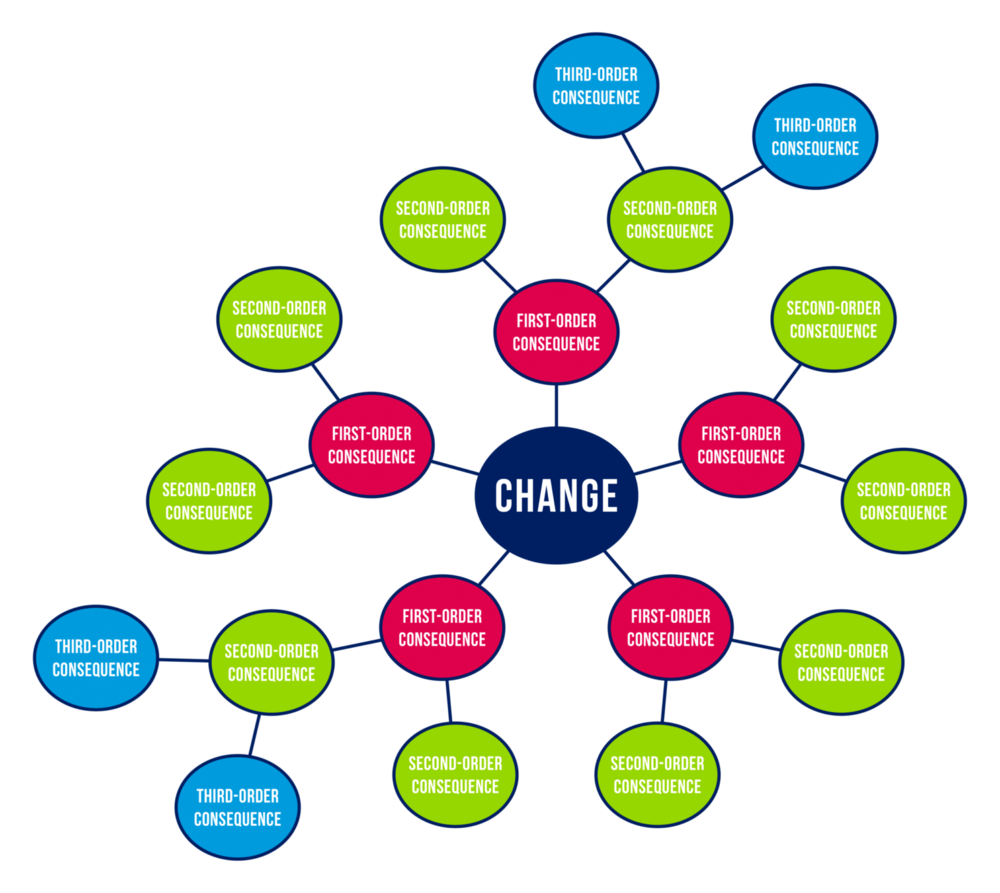
Forecasting change
Some forecasting can't be done by looking into an weather app. This tool helps you to capture possible scenarios of what could happen in your neighbourhood.

Headlines from the future
A participatory activity to support aspirational goal setting, by imagining a more positive future.
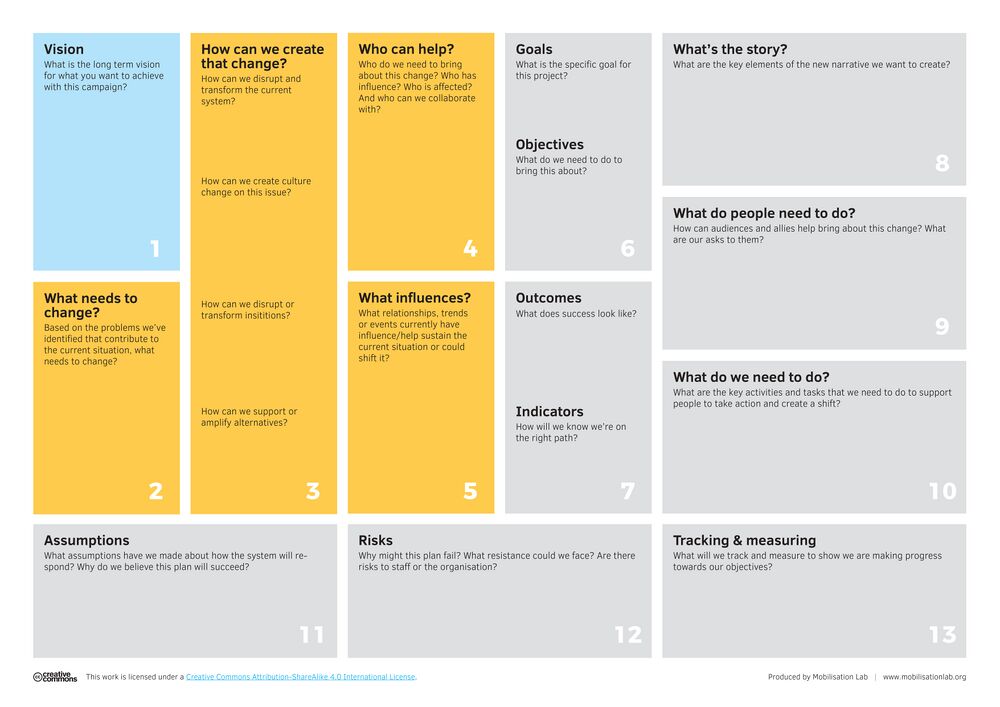
Make your vision achievable with a Campaign plan
A campaign is a planned, time-limited series of targeted measures. This campaign structure helps you to break down your vision into achievable steps.
Action
Small steps towards the realisation of local change can help to make the vision tangible and also easier to be discussed. Tools for action help to make the impact of change tangible and involve local communities.
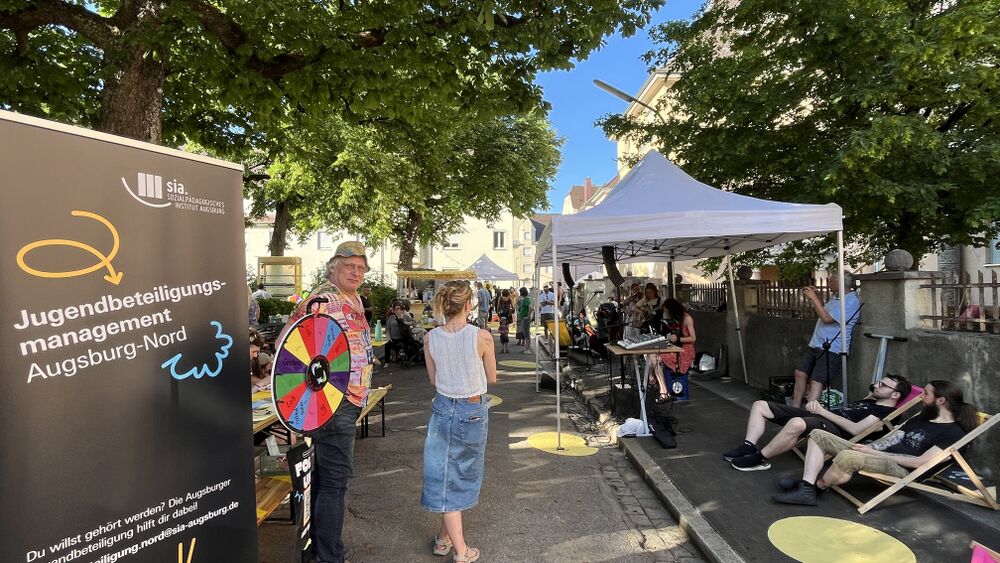
Neighborhood Party
A Neighbourhood Party can create an inclusive space where residents can explore sustainable mobility options, connect with local initiatives, and discuss the future of mobility in their community. Through interactive activities, demonstrations, and informal exchanges, participants are empowered to learn about available alternatives, share their experiences, and actively contribute to shaping a more accessible, sustainable, and liveable neighbourhood.
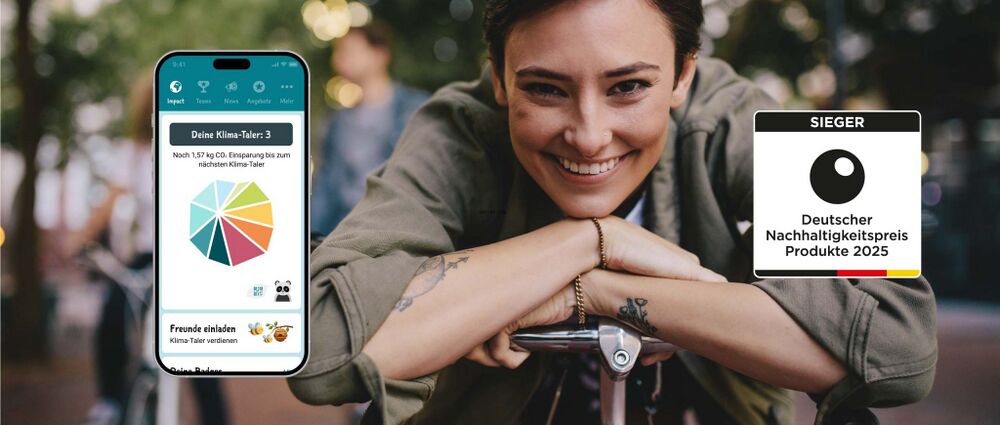
Gamification of climate friendly behaviour
Gamification is the application of game-design mechanics — such as points, rewards, competitions, challenges, and progress tracking — to non-game contexts in order to motivate behaviour change. In the context of urban sustainability and mobility, it turns everyday choices like taking public transport, cycling, or saving energy into visible, rewarding actions that feel meaningful and fun rather than obligatory.

Crosswalk action
During their campaign for a safer city, the initiative "Platz für Wien" temporarily rolled out crosswalks. Places were chosen where crosswalks would make a big difference for the safness of pedestrians.