Welcome to the UNLOCK15-Toolbox - we are collecting tools to empower „agents of change“ from civil society as well as city officials to unlock existing lock-ins. We hope you will find some relevant tools to drive change towards mobility transition in your context!
From experience, three types of tools are need for real change: tools to create and communicate evidence, tools to envision possible futures and scenarios and participatory tools for on-site action.
This type of tools help you to collect evidence, which supports the change you are aiming for. Some tools also allow crowd-based approaches to involve citizens in a broad manner. Evidence helps to convince decision makers to back-up change.
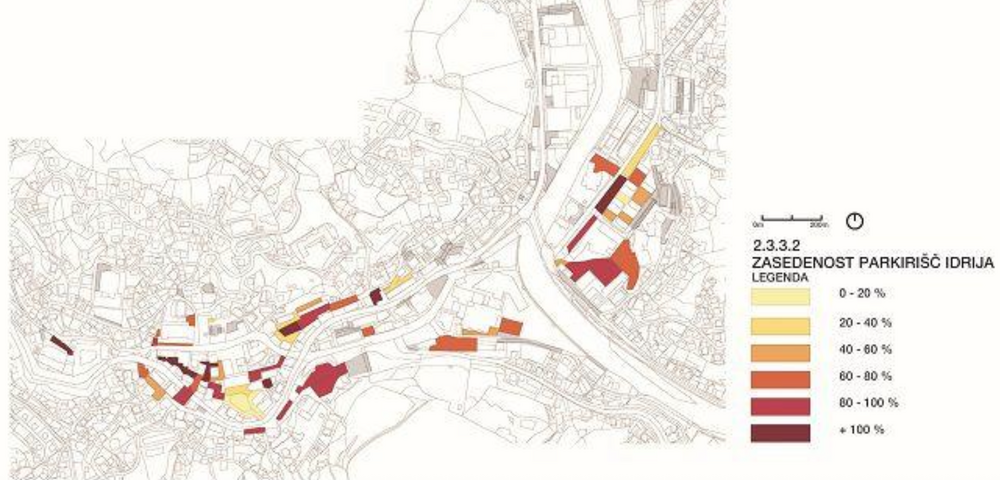
Opponents of street transformation often claim, that there are to little parking possibilities. But is that true? Evidence in Ljubljana showed that the city has rather a problem with how parking space is unevenly occupied.
The urban design studio prostorož suggested the following steps to collect data about parking space occupancy.
- define the area of observation (street / block / neighbourhood)
- prepare the site plan of all the parking spots you will observe / have access to, regardless of ownership
- set a hypothesis (e.g. parking is occupied by employees, not generating income for local shops)
- create an observation plan: check occupancy one Wednesday and Saturday; and granular occupancy of observed parking lots every 2 hours, starting from 5 AM to 12:00 PM
- graphically present data for example via Q-GIS and interpret results
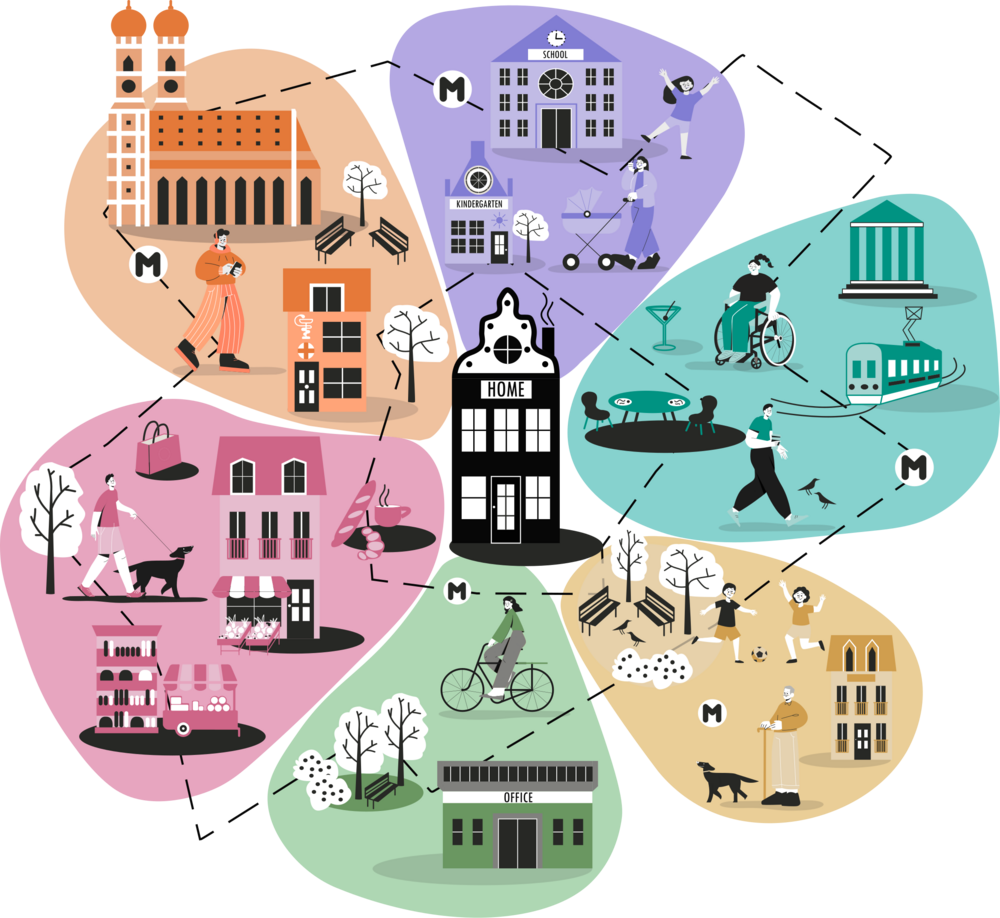
The flowers are a planning tool that invites participants to look beyond their current travel routines by imagining instead how they would like to get around. This perspective grounds accessibility planning in people's needs and desires, helping make cities more livable, sustainable, and fair.
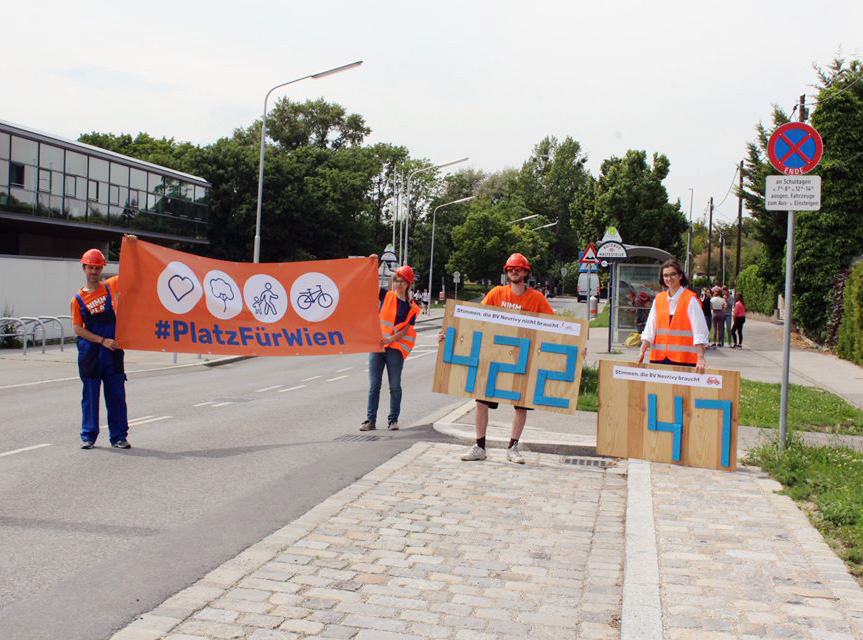
Excel sheets come to your mind when thinking of evidence? Think twice! The initiative "Wir machen Wien" showed powerfully how to not only collect valuable evidence, but also how to stage it in a dramatic way. They counted bikes, pedestrians and cars in a street in front of a school. The data showed a vast majority of the users (422) use the street by foot or bike. Nevertheless, the street is designed for cars, that represent a minority of the users (47). They designed wooden signs that clearly showed this discrepancy to passers-by, which sparked conversations. They also staged a photo, that you can see attached. They used the photo in a press release, which made local newspapers cover the story.
more tools for Evidence…
In this category you find tools that help you to create a vision of what you are aiming for. A strong vision is key for driving change because it helps you to grow as a movement and to shift public opinions. This category also includes tools that help you envision how you want to work together as a group.
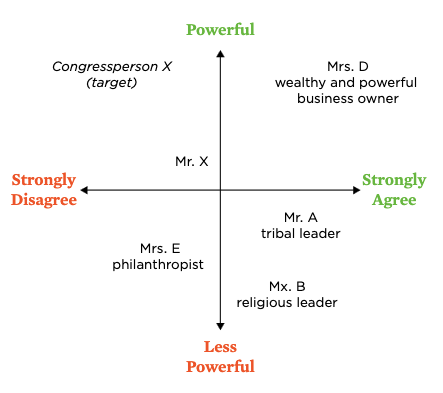
Power Mapping is a visual method for strategically analyzing actors, relationships, and dynamics of influence. It helps identify the right target individuals or institutions — those who actually have the authority to make or shape decisions — and reveals through which pathways and allies one can gain access to them or build pressure on them.
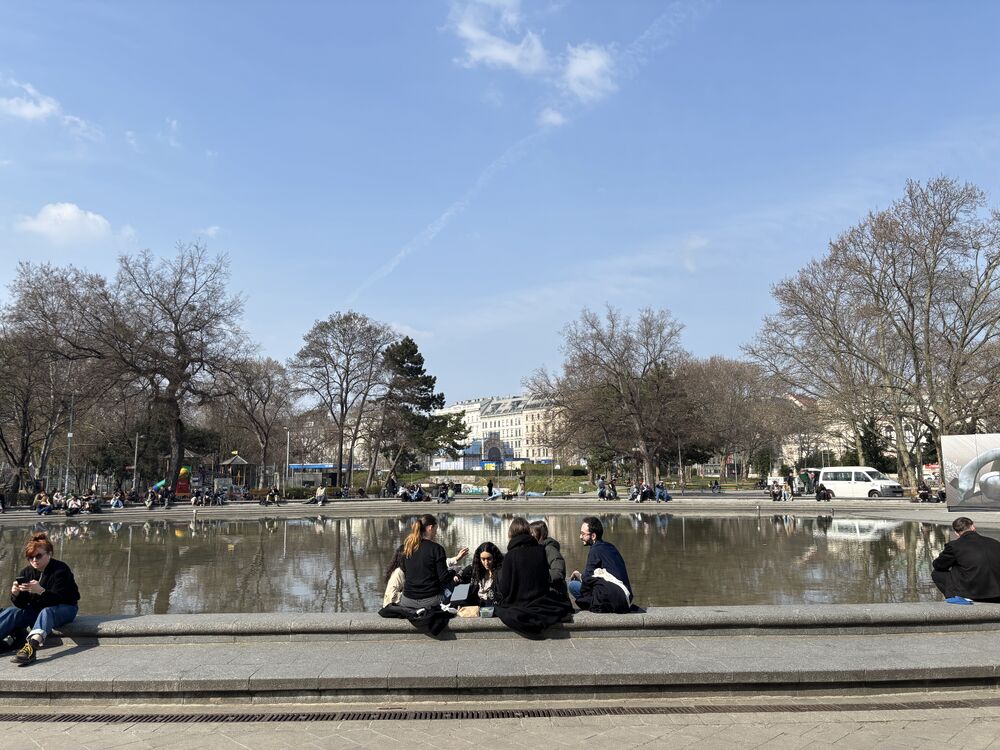
A local project adivsory board is made out of local people e.g. shop owners, residents as well as people from the administration. The various perspectives provided by the project advisory board are intended to help identify planning requirements at an early stage and to take them into account more effectively as the project progresses. They act, so to speak, as seismographs for the mood and needs within the neighbourhood.

Capture the shared purpose, values and behaviours of a team with this template from mobilisation Lab. This helps to build an environment in which everybody feels safe and motivated.
more tools for Vision…
Small steps towards the realisation of local change can help to make the vision tangible and also easier to be discussed. Tools for action help to make the impact of change tangible and involve local communities.
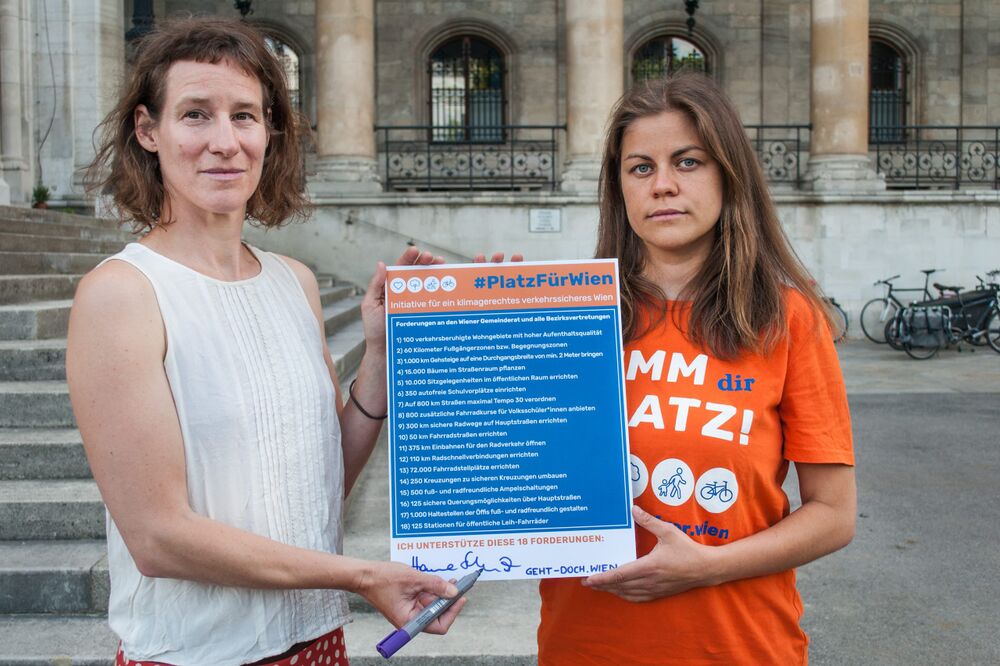
The "Platz für Wien" Initiative had a lasting impact on Vienna because they specified their demands and backed them up with scientific findings (e.g., demand for 50 km of bicycle lanes by 2030). They even has scientists speaking up for them, which made their demands even more valid.
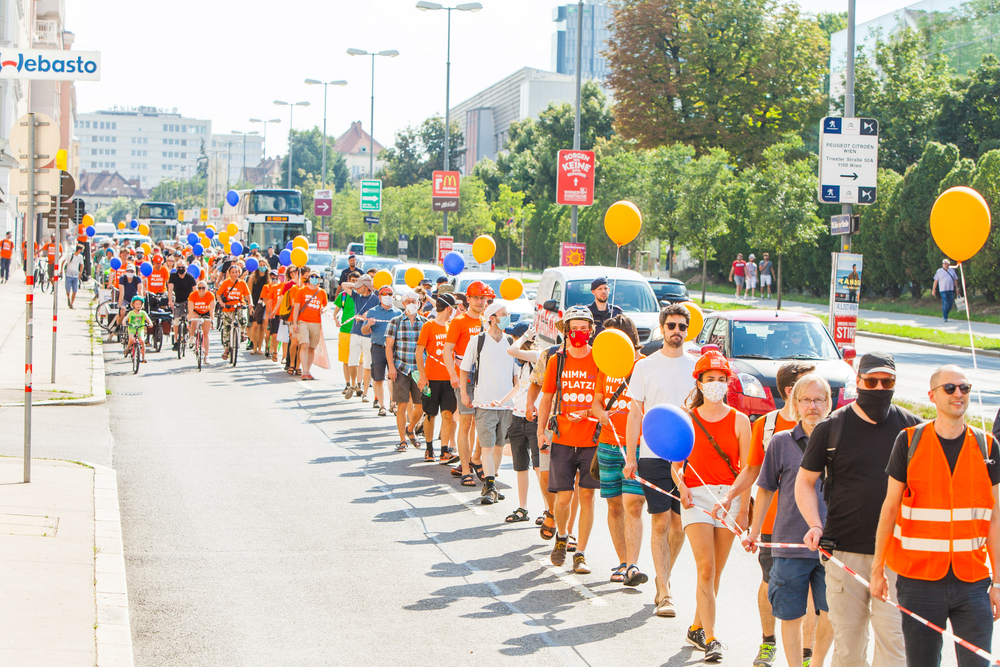
Using simple tools such as ropes and a group of volunteers, pop-up bike lanes can be registered as a demonstration yet still allow for traffic flow to continue - but with a new division of space.
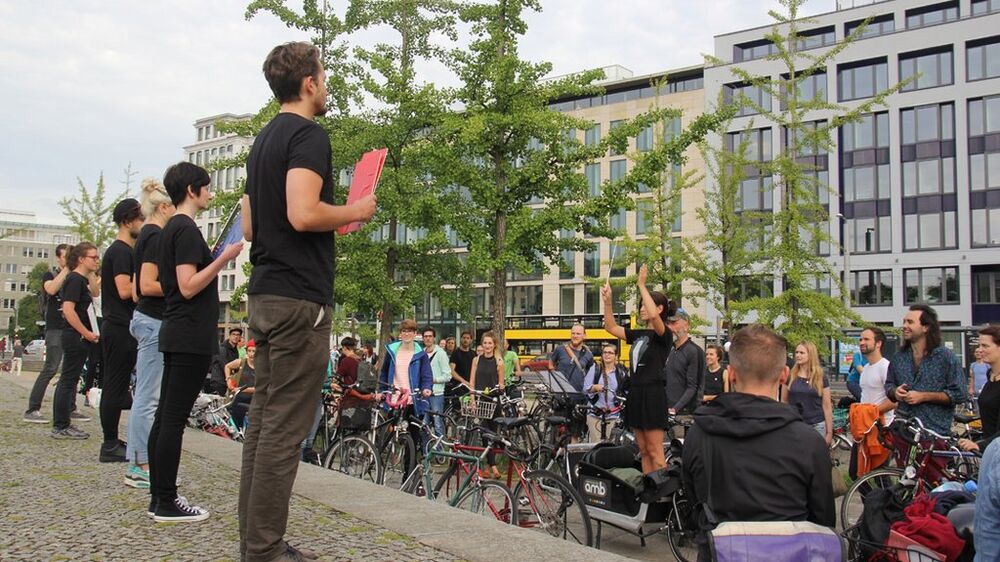
The aim of the tour is to challenge traditional contexts of exhibiting art by producing new creative content in unconventional locations, while at the same time promoting urban cycling and sustainable communities. See also RAD performance in Vienna as an example.
more tools for Action…