Welcome to the UNLOCK15-Toolbox - we are collecting tools to empower „agents of change“ from civil society as well as city officials to unlock existing lock-ins. We hope you will find some relevant tools to drive change towards mobility transition in your context!
From experience, three types of tools are need for real change: tools to create and communicate evidence, tools to envision possible futures and scenarios and participatory tools for on-site action.
This type of tools help you to collect evidence, which supports the change you are aiming for. Some tools also allow crowd-based approaches to involve citizens in a broad manner. Evidence helps to convince decision makers to back-up change.
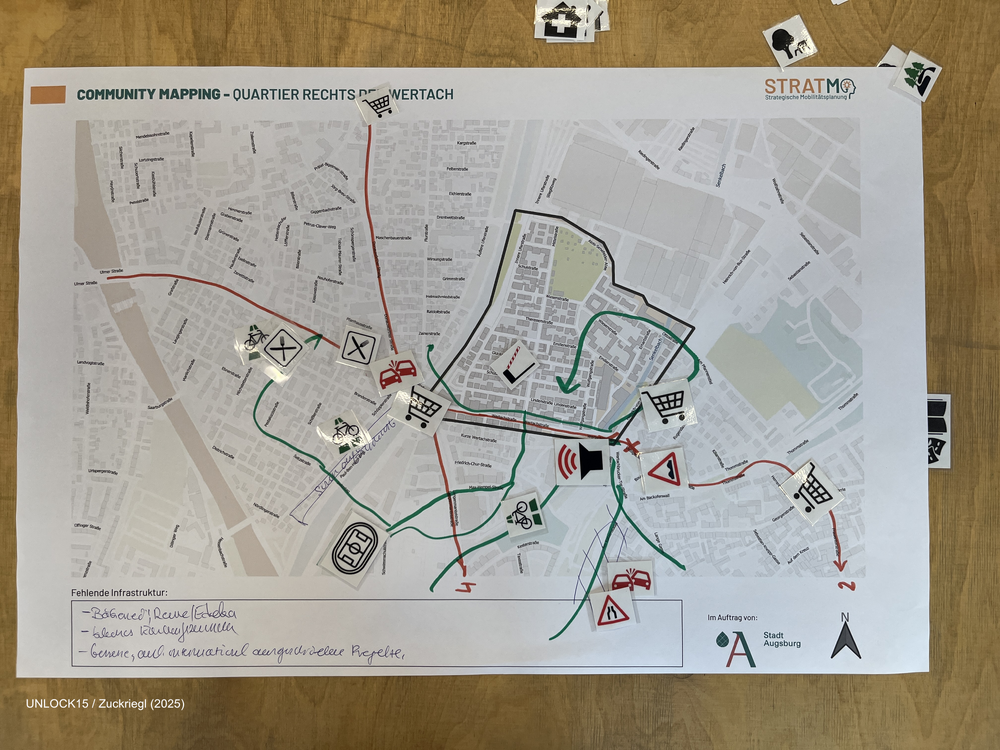
Collaboratively mapping maps about a neighbourhood can shed light on factors that influence everyday transport-related decisions.
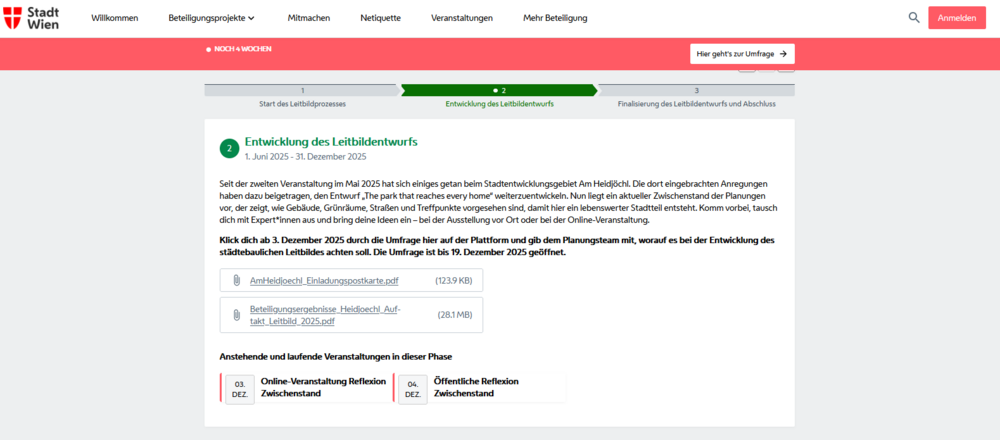
"Mitgestalten.wien" is an example for a centralized participation plattform. We used it to run a survey for Unlock15 in Vienna about the future development of a street. "decidim.org" and "govocal.com" are plattforms that can help you set up a centralised participation plattform.
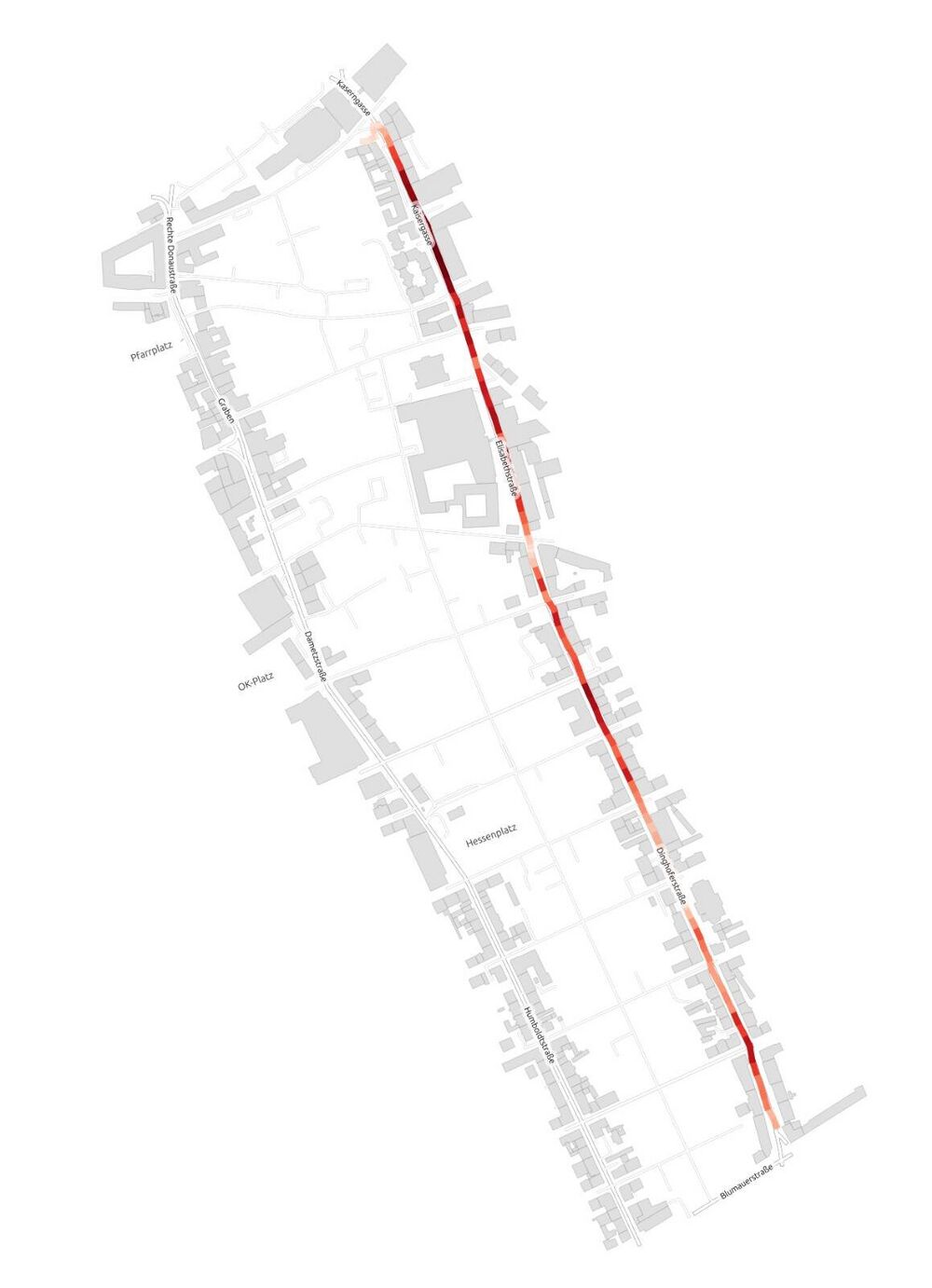
"We can’t reduce the speed limit on this road because the busses would loose time!“ This or similar arguments may come up in discussions about street transformations. In those situations, it can help to bring evidence into the discussion. For example by measuring the speed of busses. Think in advance how to make your data collection as valid as possible within your ressources. To produce solid evidence about the speed of public transport we suggest the following steps:
- Make a plan how you will collect your data: What do you want to measure (one busline in both directions between bus stop X and Y), when (on peak/off peak, which days) and how often (how many times per day)
- Install an App that collects GPX-Tracks (data that links speed with location)
- Ride the busses according to your data collection plan
- Find someone who knows how to use QGIS (open source program for making maps) and install the plug-in for GPX Segment importer (https://plugins.qgis.org/plugins/GpxSegmentImporter/#plugin-about)
- If everything works out the result should be maps like the ones you see here.
- Think about how you want to communicate the data: In a confidential setting or rather to a bigger audience?
more tools for Evidence…
In this category you find tools that help you to create a vision of what you are aiming for. A strong vision is key for driving change because it helps you to grow as a movement and to shift public opinions. This category also includes tools that help you envision how you want to work together as a group.

Defining goals, structures, roles and means of decision making are all crucial parts of founding and maintaining collectives, cooperatives, and other groups. Many aspects of organisation however remain ad hoc, informal and opaque, creating the possibility of power imbalances, misunderstandings and exclusion. The link will lead you to website with key questions that any group should consider and define during its formation.
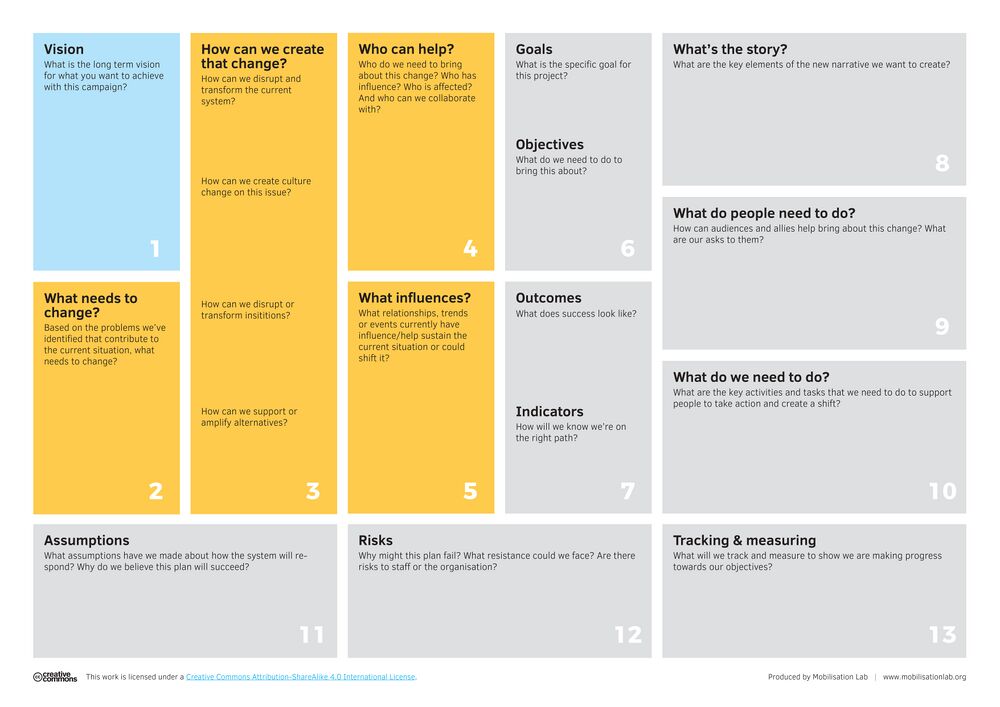
A campaign is a planned, time-limited series of targeted measures. This campaign structure helps you to break down your vision into achievable steps.

A participatory activity to support aspirational goal setting, by imagining a more positive future.
more tools for Vision…
Small steps towards the realisation of local change can help to make the vision tangible and also easier to be discussed. Tools for action help to make the impact of change tangible and involve local communities.

In this format district politics and initiatives meet up in a casual setting. This benefits everyone: On the one hand politicans can efficently update several initiatives at the same time and get wind of citizens troubles related to urban space at an early stage. Initiatives on the other hand get insights and can discuss their visions and potential future collaborations.
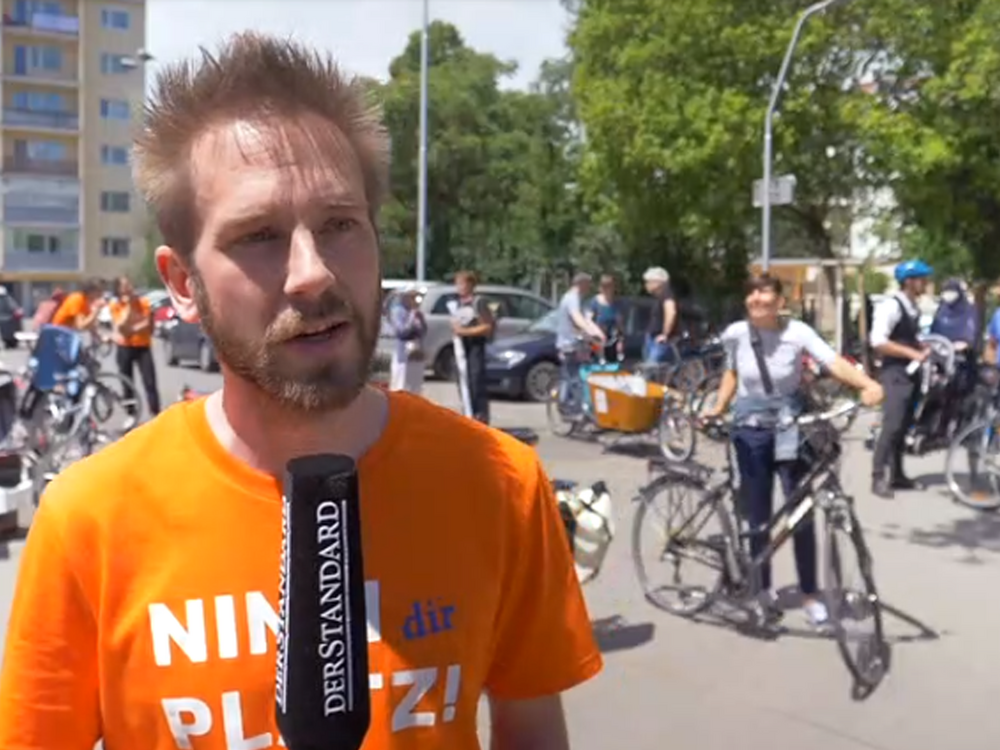
Presswork helps you to spread your vision of change. With a little preperation and a good idea, your work could be covered in the local news by tomorrow. Attached you will find a guide in english and german for successful presswork.

Tree budget Graz is an innovative financing model introduced by the City of Graz to systematically fund the planting and maintenance of urban trees. It draws from three sources: compensation fees collected under the city's tree protection ordinance (which requires replanting or financial compensation when trees are removed), voluntary tree sponsorships open to individuals and companies, and project-specific budget approvals by the city council. Together, these streams create a dedicated financial pool that ensures greening efforts are not dependent on a single, uncertain budget line.
more tools for Action…