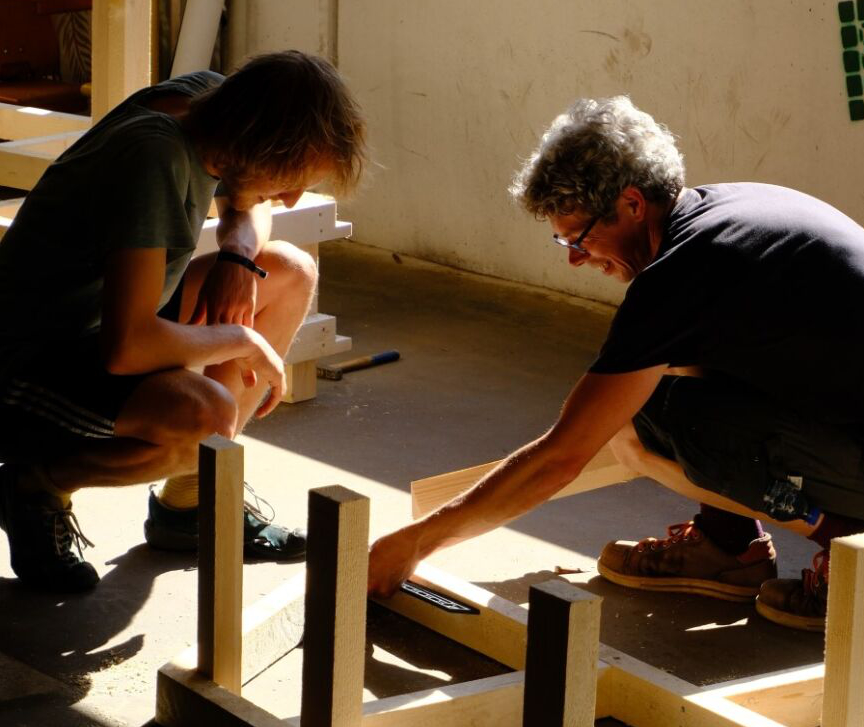
Welcome to the UNLOCK15-Toolbox - we are collecting tools to empower „agents of change“ from civil society as well as city officials to unlock existing lock-ins. We hope you will find some relevant tools to drive change towards mobility transition in your context!
From experience, three types of tools are need for real change: tools to create and communicate evidence, tools to envision possible futures and scenarios and participatory tools for on-site action.

Petition: Collect signatures to back up your local vision!
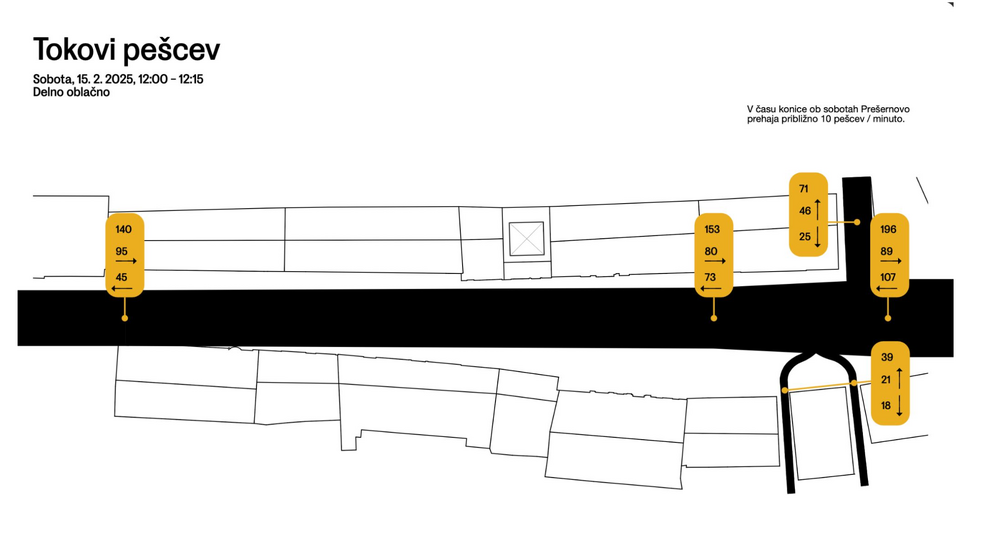
Observing and visualising human behaviour in public space
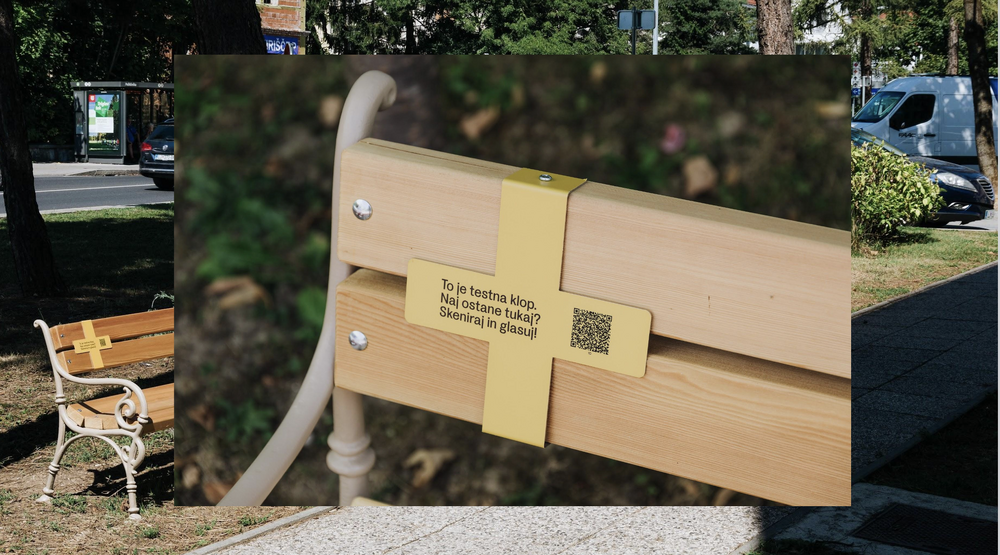
Low effort survey in public space
The picture stems from Ljubljana, where the urban design studio prostorož set up benches in public space. They attached a QR-Code, where people could vote if they wanted this bench to stay. In a short period of time about 400 people voted, that they would like the bench to stay because they frequently use it. On this basis prostorož talked to the people in charge of that area. The survey was enough evidence for them to let the benches stay! What a success!
In case this inspires you to take action: Make sure that the QR-code is made out of solid material, that endures the time you want the survey to last. The tool material link will lead you to a website where different survey tools are offered, a lot of them without additional costs.
Onboarding framework
The Onboarding Framework is a structured yet flexible tool designed to help grassroots civil society initiatives welcome and integrate new volunteers with as little friction as possible.
The framework helps initiatives answer three core questions: What does a new volunteer need to know, feel, and do to get started? Where do their skills and interests fit best? And how can the organization make that first step feel easy, welcoming, and worthwhile?
By providing a clear path from curiosity to commitment, the Onboarding Framework reduces dropout at the earliest stage, builds a sense of belonging from day one, and ensures that volunteer energy is channeled effectively — strengthening the initiative's capacity from the bottom up.
Plenary for sharing emotions
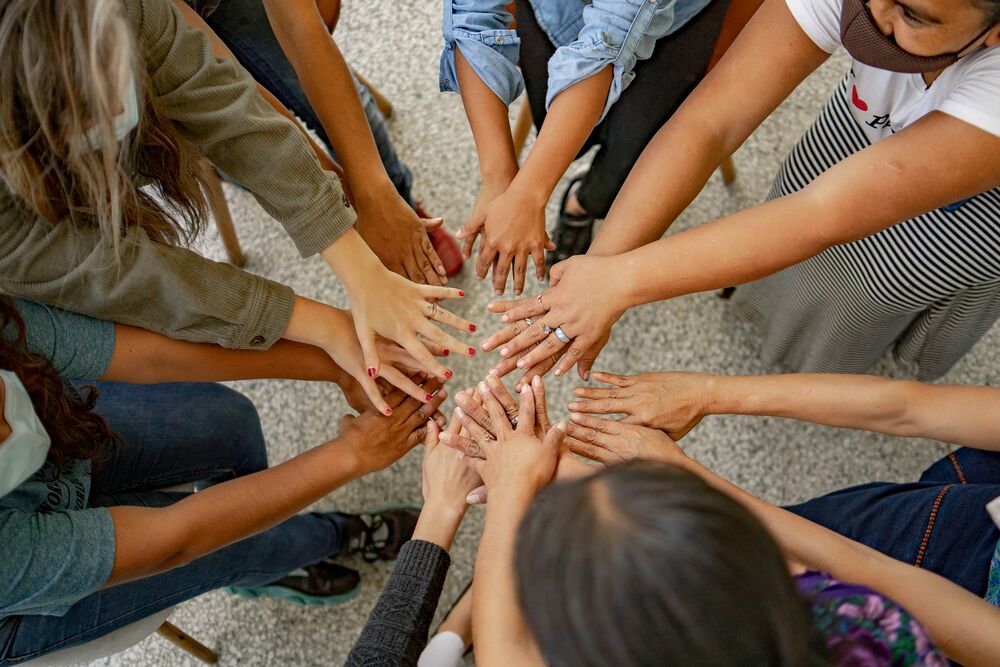
A plenary for emotions is a structured group format that creates dedicated space for emotions and interpersonal dynamics within a collective or initiative — separate from task-oriented or decision-making meetings. Rather than pushing emotions to the margins of group life, the Emo-Plenum treats them as essential information: a signal about the health, motivation, and tensions within the group.
It is recommended to have a person that facilitates the plenary. This means guiding through the structure and keeping an eye on the time. This is how a Plenary of Emotions can be structured:
- Round: Each person expresses how they feel. In regards to the group but also in general. Resist the temptation to react to what has already been said and focus on yourself. The round is finished when everybody has shared something.
- Round: In the same order as before people can react to what has been said by others. The focus lies on validating and relating to emotions of others not jumping into problem solving mode right away. The round can go as long as people have to say something.
- Round: Collect next steps from what has been said. This can happen but doesn't have to.
Creating a team culture

Tree Budget Graz
Streetgames