From Unlock15
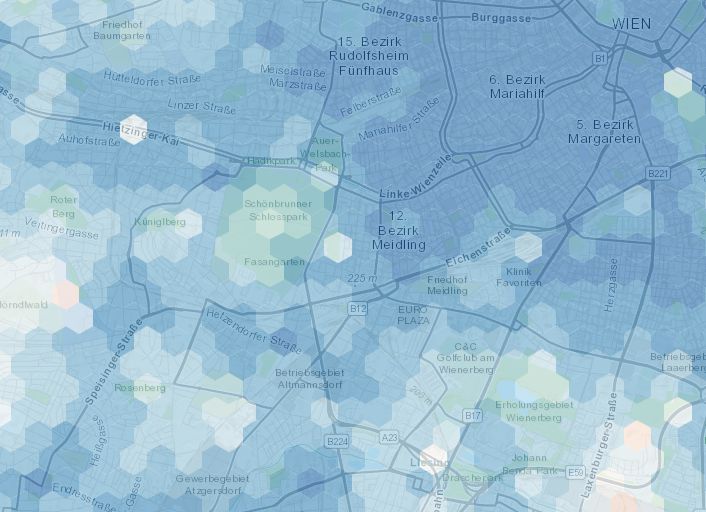
15min-City online Maps
The map shows how close services are if one lives in different areas of the city: in red areas the time needed to access the closest services is on average higher than 15 minutes, while the blue are 15-minute areas. We consider the average time of accessibility to the closest 20 POIs.

Getting to the core of human behaviour
The Five Whys is a simple yet powerful research method from human-centered design. Starting with a broad question about a person's habits or behaviours, you ask "why" five times in a row — not horizontally ("why else?") but vertically, going deeper with each answer until you uncover the emotional and human roots of a problem. The method takes only about 15 minutes, requires nothing more than pens and paper, and is designed to get to the core of a person's beliefs and motivations.
Headlines from the future
A participatory activity to support aspirational goal setting, by imagining a more positive future.
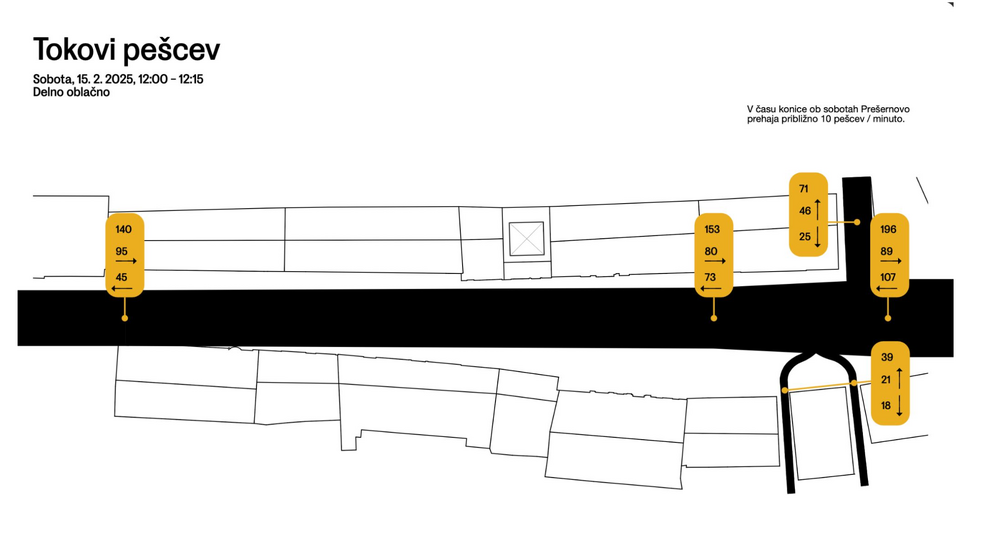
Observing and visualising human behaviour in public space
Collecting data on how people use space can give you a solid foundation to discuss how it should be designed. The free public live app helps you to collect the data you need when observing people. The second link leads you to a website where you can download an analog version with excel sheets. The picture is an example how you could visualise the collected data, done by urban design studio prostorož.

Plenary for Emotions
A plenary for emotions is a structured group format that creates dedicated space for emotions and interpersonal dynamics within a collective or initiative — separate from task-oriented or decision-making meetings. Rather than pushing emotions to the margins of group life, the Emo-Plenum treats them as essential information: a signal about the health, motivation, and tensions within the group.
It is recommended to have a person that facilitates the plenary. This means guiding through the structure and keeping an eye on the time. This is how a Plenary of Emotions can be structured:
- Round: Each person expresses how they feel. In regards to the group but also in general. Resist the temptation to react to what has already been said and focus on yourself. The round is finished when everybody has shared something.
- Round: In the same order as before people can react to what has been said by others. The focus lies on validating and relating to emotions of others not jumping into problem solving mode right away. The round can go as long as people have to say something.
- Round: Collect next steps from what has been said. This can happen but doesn't have to.
Task & Maintenance: What Makes Groups Work?
This tool is a quick, easy tool that is effective at helping groups understand the different roles in making groups work: different leadership skills.
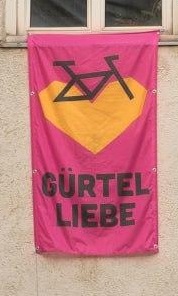
Window Banner
Initiatives use window banners to communicate their demands to the public. This creates visibility and helps the initiative grow, encouraging more and more people to join the cause and the banner campaign.