From Unlock15
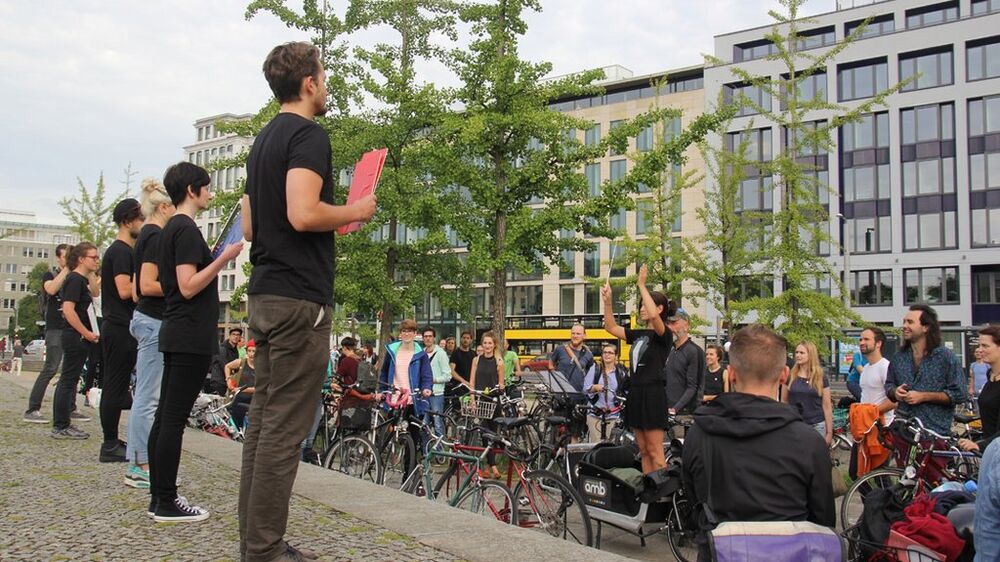
Art Spin bike tour
The aim of the tour is to challenge traditional contexts of exhibiting art by producing new creative content in unconventional locations, while at the same time promoting urban cycling and sustainable communities. See also RAD performance in Vienna as an example.

Bikebus
Bikebus is an organized bicycle group for children who cycle safely to school together with accompanying adults. Like a school bus, only by bicycle.

Getting to the core of human behaviour
The Five Whys is a simple yet powerful research method from human-centered design. Starting with a broad question about a person's habits or behaviours, you ask "why" five times in a row — not horizontally ("why else?") but vertically, going deeper with each answer until you uncover the emotional and human roots of a problem. The method takes only about 15 minutes, requires nothing more than pens and paper, and is designed to get to the core of a person's beliefs and motivations.
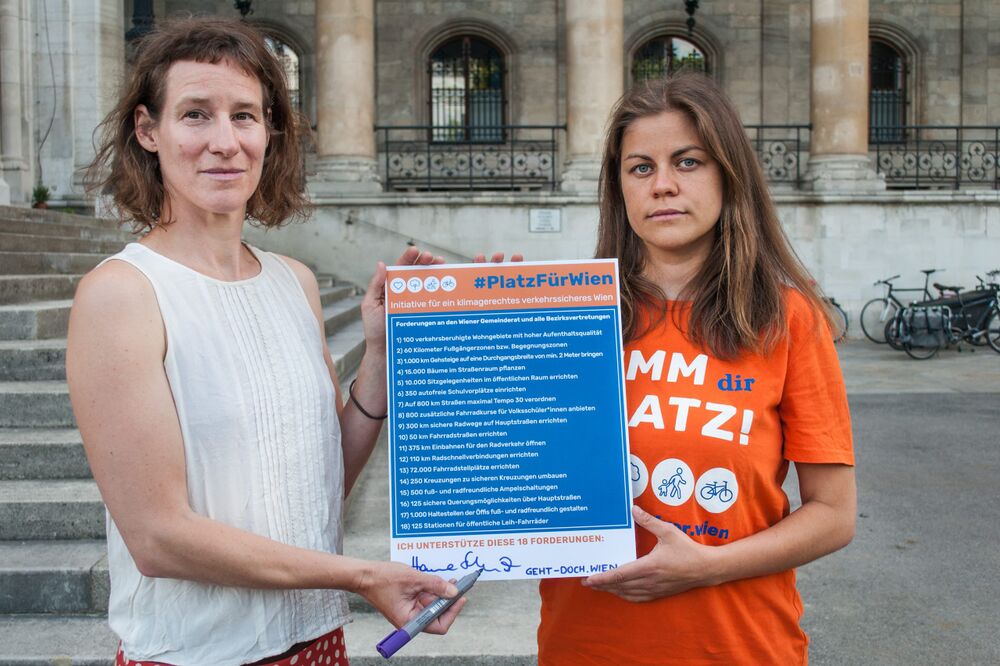
Making specific demands that are backed up by evidence
The "Platz für Wien" Initiative had a lasting impact on Vienna because they specified their demands and backed them up with scientific findings (e.g., demand for 50 km of bicycle lanes by 2030). They even has scientists speaking up for them, which made their demands even more valid.
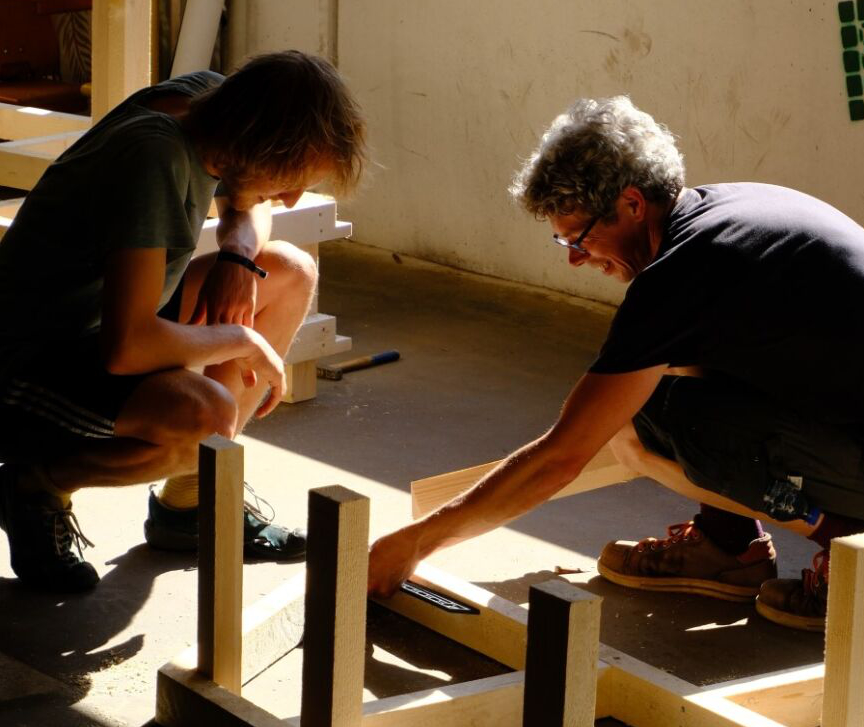
New local collaborations to boost change!
Lack of funding or stuck in slow processes? Maybe a local collaboration can boost your vision to the next level! That happened to the Galileigasse in Vienna. Thanks to a collaboration between the district Alsergund, the Technical University Vienna and the LA21 the schoolstreet was completely transformed. A team of city planning and architecture students, their teachers and one carpenter planned and built the tactical urbanism elements within one semester. The district covered the cost for the material. The project cost a fracture of what it would have cost if a team of professional carpenters had done it.
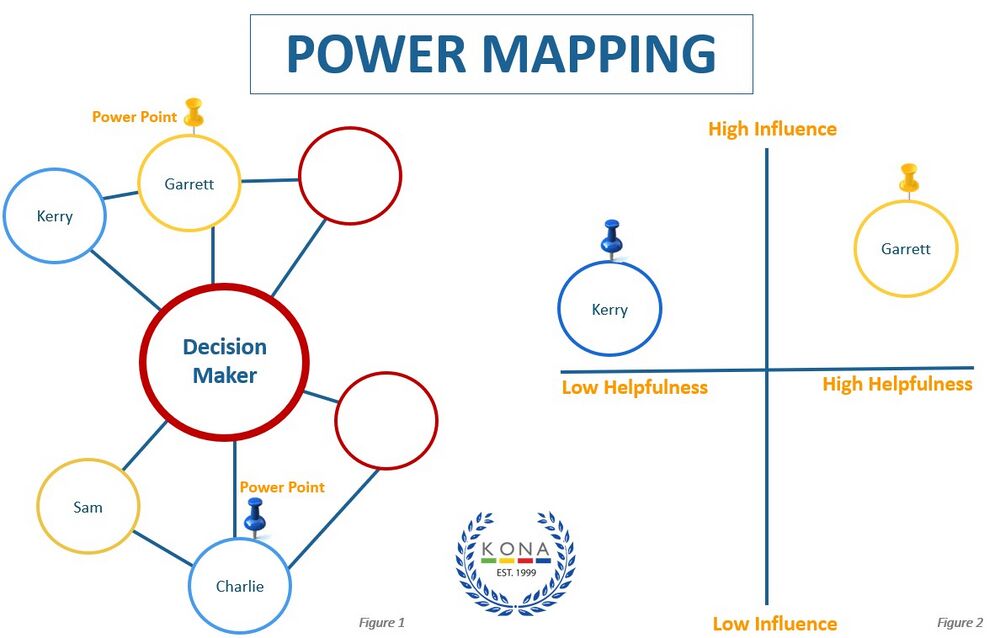
Power Mapping
Power Mapping is a visual method for strategically analyzing actors, relationships, and dynamics of influence. It helps identify the right target individuals or institutions — those who actually have the authority to make or shape decisions — and reveals through which pathways and allies one can gain access to them or build pressure on them.