Welcome to the UNLOCK15-Toolbox - we are collecting tools to empower „agents of change“ from civil society as well as city officials to unlock existing lock-ins. We hope you will find some relevant tools to drive change towards mobility transition in your context!
From experience, three types of tools are need for real change: tools to create and communicate evidence, tools to envision possible futures and scenarios and participatory tools for on-site action.
This type of tools help you to collect evidence, which supports the change you are aiming for. Some tools also allow crowd-based approaches to involve citizens in a broad manner. Evidence helps to convince decision makers to back-up change.
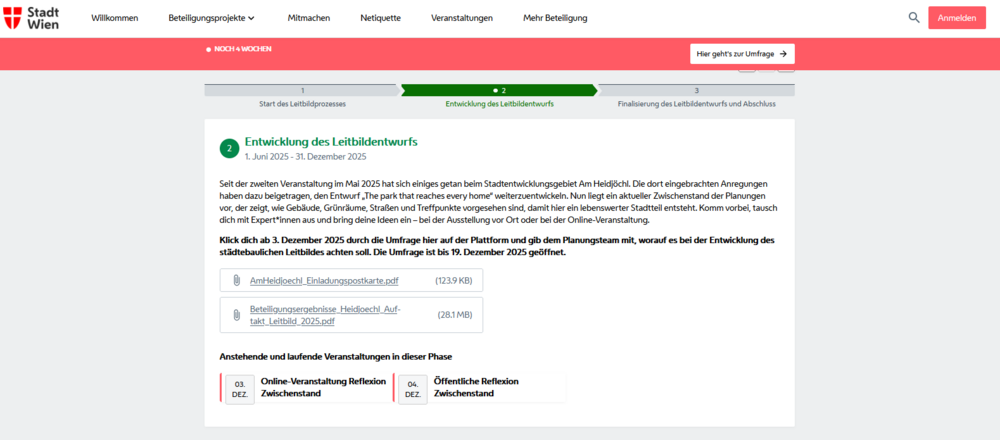
"Mitgestalten.wien" is an example for a centralized participation plattform. We used it to run a survey for Unlock15 in Vienna about the future development of a street. "decidim.org" and "govocal.com" are plattforms that can help you set up a centralised participation plattform.
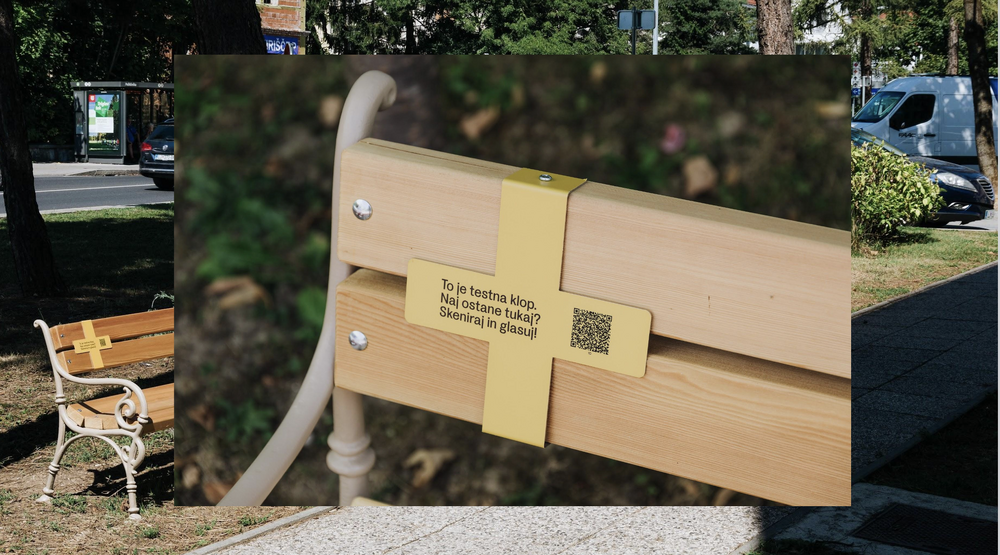
The picture stems from Ljubljana, where the urban design studio prostorož set up benches in public space. They attached a QR-Code, where people could vote if they wanted this bench to stay. In a short period of time about 400 people voted, that they would like the bench to stay because they frequently use it. On this basis prostorož talked to the people in charge of that area. The survey was enough evidence for them to let the benches stay! What a success!
In case this inspires you to take action: Make sure that the QR-code is made out of solid material, that endures the time you want the survey to last. The tool material link will lead you to a website where different survey tools are offered, a lot of them without additional costs.
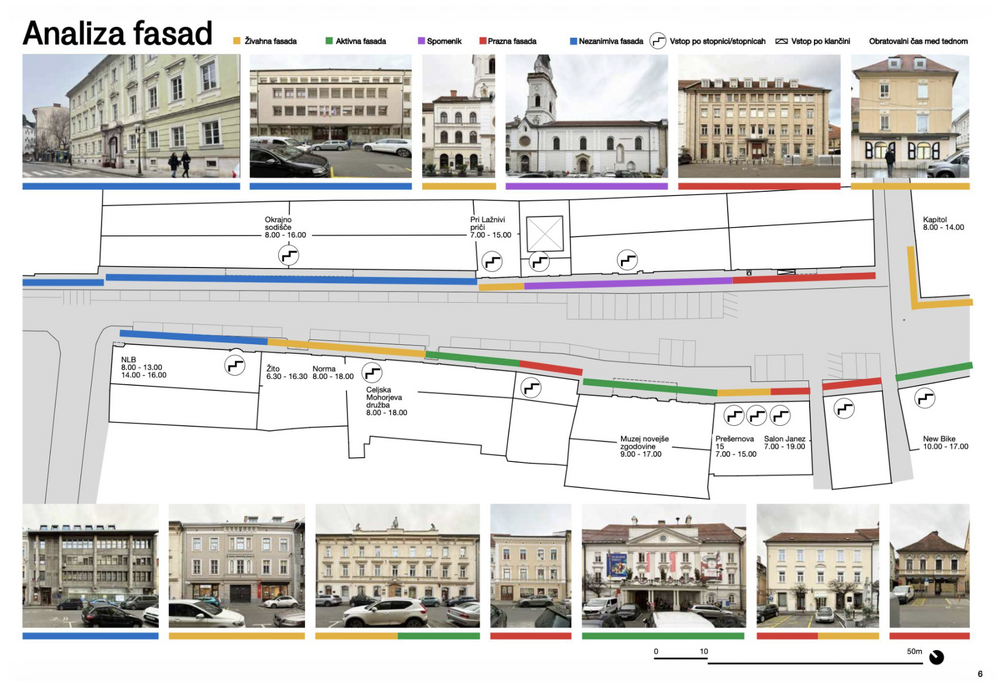
"We need parking space otherwise our shops will die!" This is an argument often brought forward by opponents of street transformation. The urban design studio prostorož confronted this claim with evidence. They analysed the facades of the street by the following categories: Lively facade, active facade, monument, empty facade, unremarkable facade. They could show that a lot of the ground floor was at that point in time not occupied.
prostorož combined this analysis with analysing parking place occupancy and human behaviour to build an even stronger argument: A street full of cars is not helping shops at the moment. By combining all these analysis they managed to convince the decision makers to give that street a human friendly makeover!
more tools for Evidence…
In this category you find tools that help you to create a vision of what you are aiming for. A strong vision is key for driving change because it helps you to grow as a movement and to shift public opinions. This category also includes tools that help you envision how you want to work together as a group.
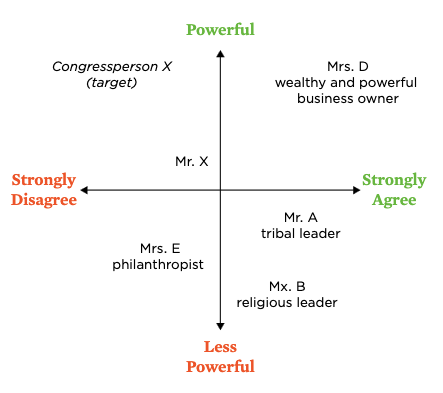
Power Mapping is a visual method for strategically analyzing actors, relationships, and dynamics of influence. It helps identify the right target individuals or institutions — those who actually have the authority to make or shape decisions — and reveals through which pathways and allies one can gain access to them or build pressure on them.
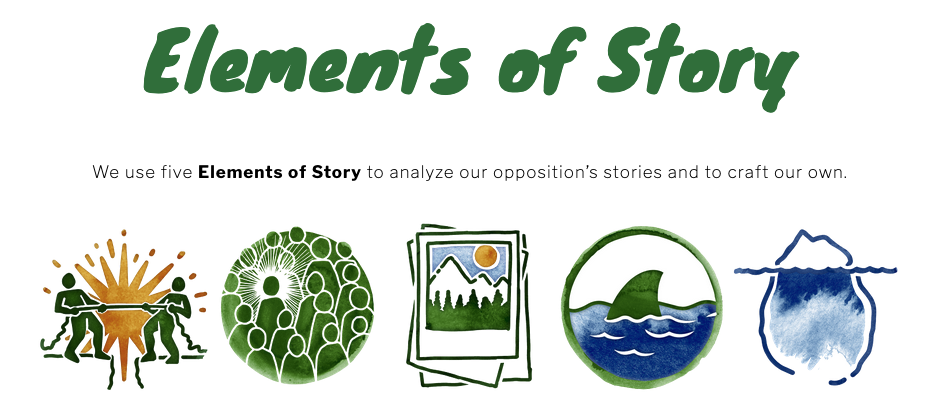
The framework of "Story-Based Strategy" helps you figure out your campaign’s narrative strategy. It’s composed of tools or worksheets that you can use to analyze the opposition’s story, the current popular narrative about your issue, and develop a way of pitching or talking about your issue that will win over the folks you need to win!

The Vienna Climate Team is a participatory initiative in Vienna that brings residents, local stakeholders, and the city administration together to co-develop and implement climate protection measures at the district level. It enables citizens to submit ideas, collaborate with experts, and take part in decision-making processes related to urban sustainability.
more tools for Vision…
Small steps towards the realisation of local change can help to make the vision tangible and also easier to be discussed. Tools for action help to make the impact of change tangible and involve local communities.
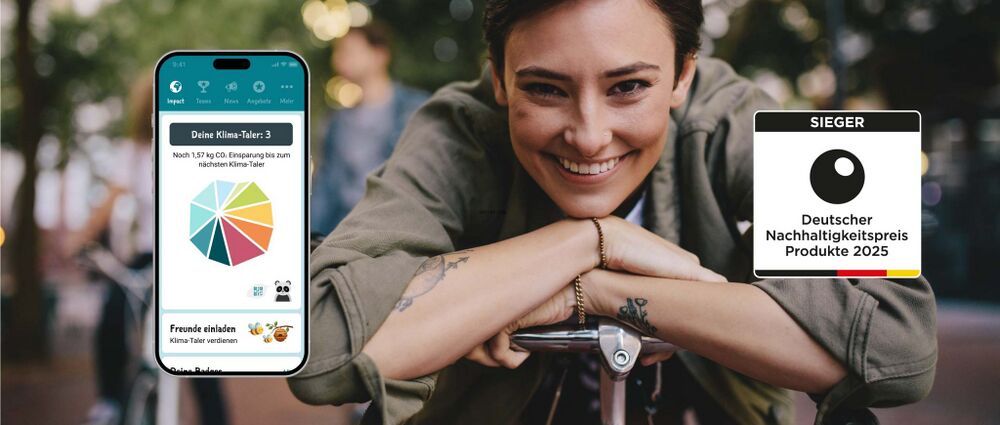
Gamification is the application of game-design mechanics — such as points, rewards, competitions, challenges, and progress tracking — to non-game contexts in order to motivate behaviour change. In the context of urban sustainability and mobility, it turns everyday choices like taking public transport, cycling, or saving energy into visible, rewarding actions that feel meaningful and fun rather than obligatory.
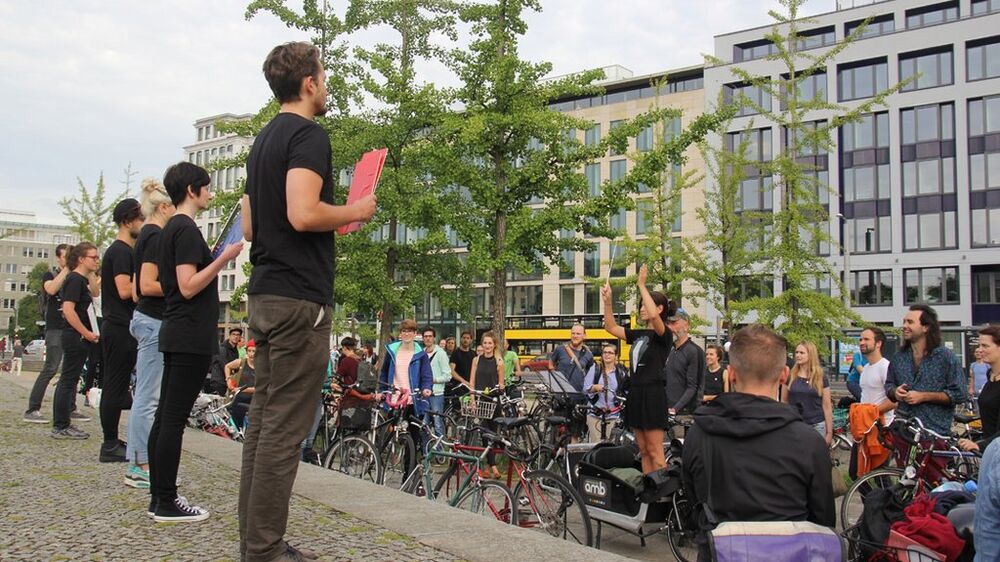
The aim of the tour is to challenge traditional contexts of exhibiting art by producing new creative content in unconventional locations, while at the same time promoting urban cycling and sustainable communities. See also RAD performance in Vienna as an example.
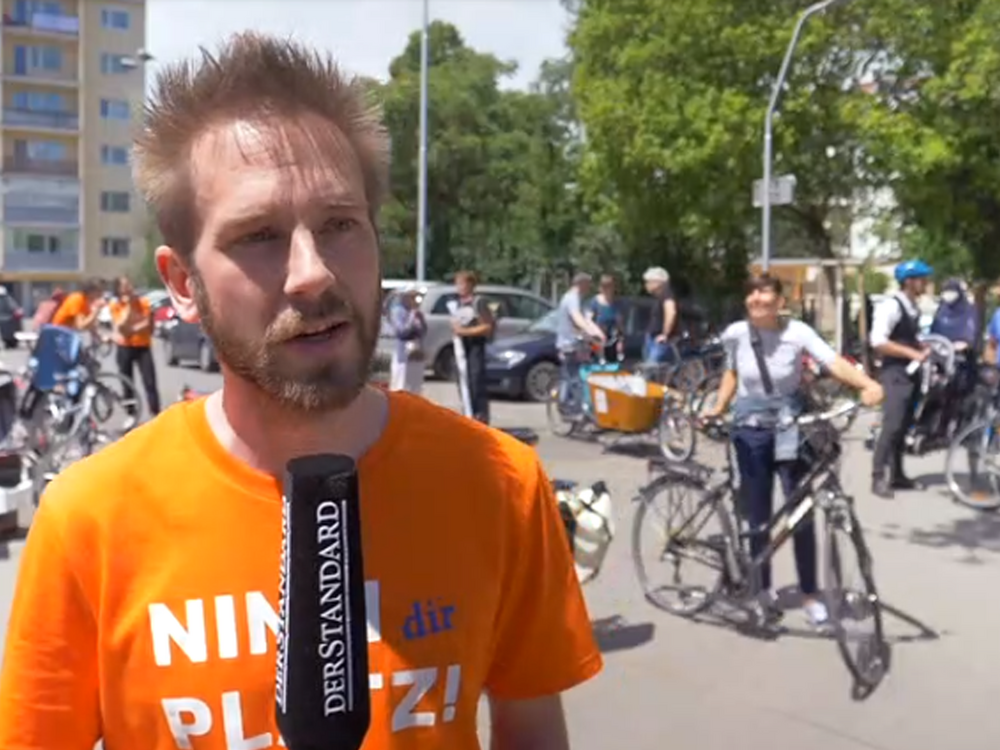
Presswork helps you to spread your vision of change. With a little preperation and a good idea, your work could be covered in the local news by tomorrow. Attached you will find a guide in english and german for successful presswork.
more tools for Action…