From Unlock15
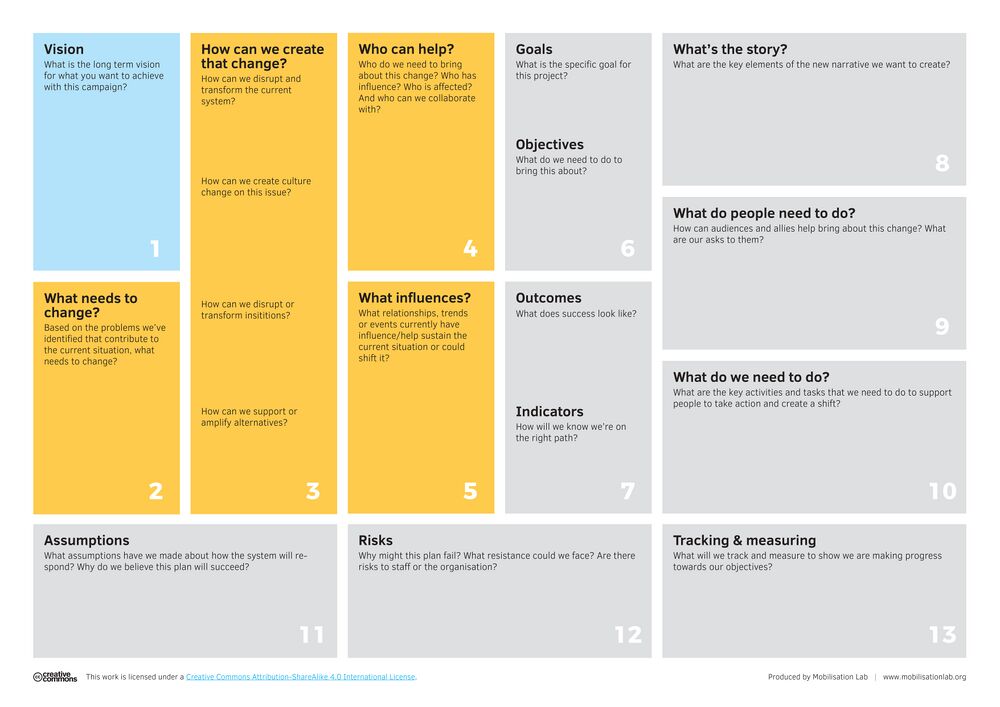
Break your vision down with a Campaign plan
A campaign is a planned, time-limited series of targeted measures. This campaign structure helps you to break down your vision into achievable steps.
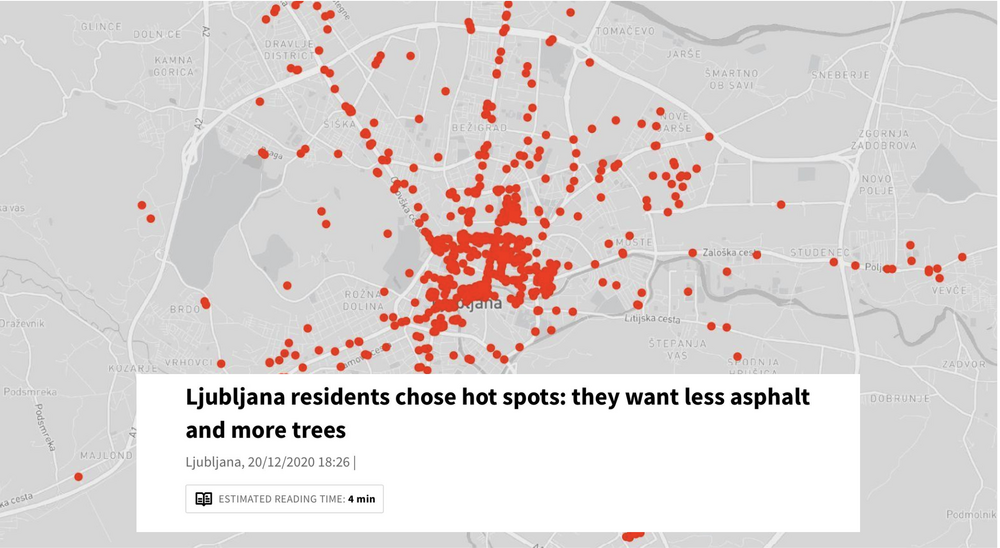
Collaborative heat maps
Websites like mapperoni and uMap let you create maps with layers in a minute, embed them in your site or share them with others to contribute. An example: The urban design office prostorož invited citizens of Ljubljana in 2020 to vote for locations they experience as hot. In three weeks, they cast around 700 votes. The data was consistent with the locations of heat islands measured by satellite thermal imaging. The responses showed that people change routes and habits in the summer or avoid certain locations in the city altogether due to the heat. Respondents also suggested their own cooling measures - they want more and bigger trees, less asphalt, less concrete, and less parking spaces. This map was then published in newspapers and reached a big audience.
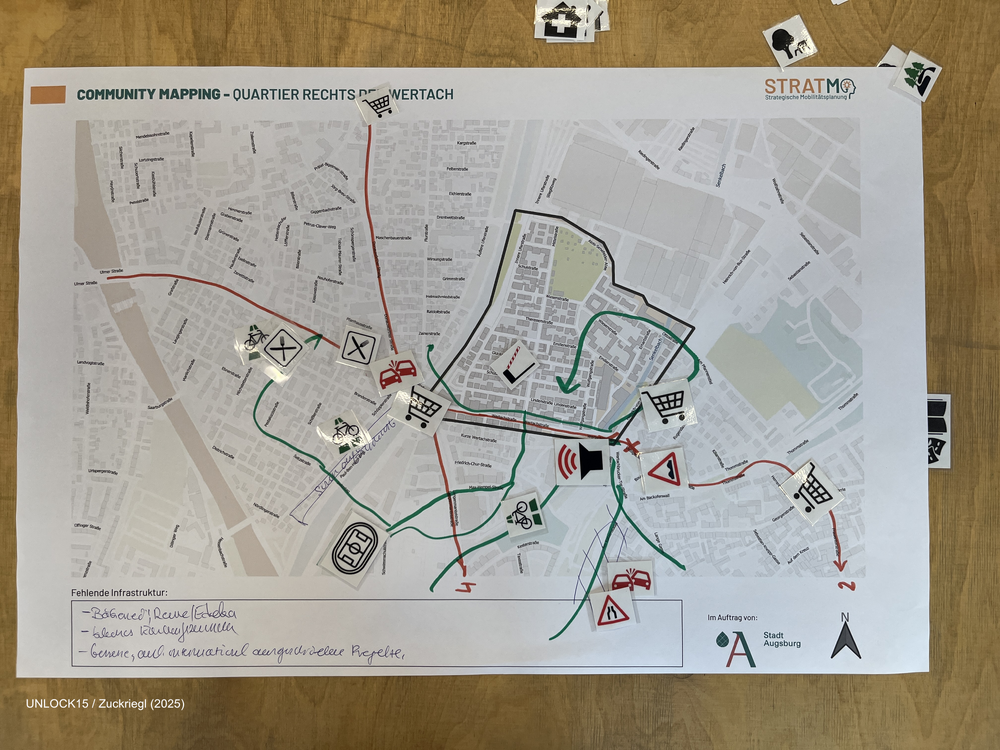
Community mapping
Collaboratively mapping maps about a neighbourhood can shed light on factors that influence everyday transport-related decisions.
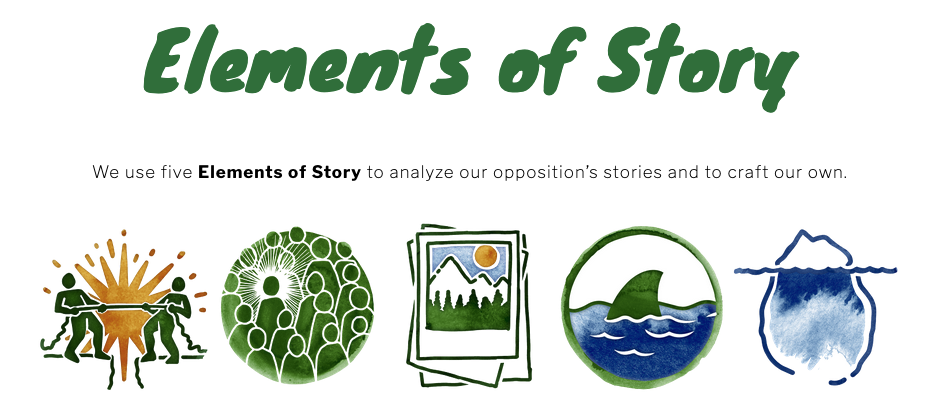
Developing a convincing story for your campaign
The framework of "Story-Based Strategy" helps you figure out your campaign’s narrative strategy. It’s composed of tools or worksheets that you can use to analyze the opposition’s story, the current popular narrative about your issue, and develop a way of pitching or talking about your issue that will win over the folks you need to win!

Headlines from the future
A participatory activity to support aspirational goal setting, by imagining a more positive future.
Learning public participation hub
The Vienna Climate Team is a participatory initiative in Vienna that brings residents, local stakeholders, and the city administration together to co-develop and implement climate protection measures at the district level. It enables citizens to submit ideas, collaborate with experts, and take part in decision-making processes related to urban sustainability.
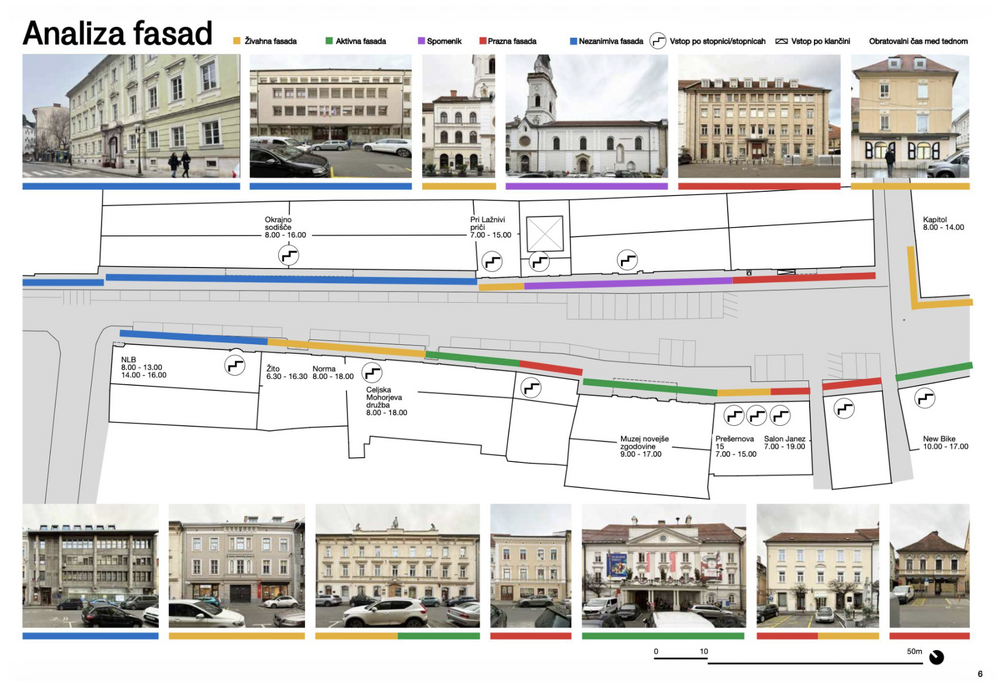
Mapping and analysing facades
"We need parking space otherwise our shops will die!" This is an argument often brought forward by opponents of street transformation. The urban design studio prostorož confronted this claim with evidence. They analysed the facades of the street by the following categories: Lively facade, active facade, monument, empty facade, unremarkable facade. They could show that a lot of the ground floor was at that point in time not occupied.
prostorož combined this analysis with analysing parking place occupancy and human behaviour to build an even stronger argument: A street full of cars is not helping shops at the moment. By combining all these analysis they managed to convince the decision makers to give that street a human friendly makeover!
Newspaper of Tomorrow
When different stakeholders come together, they bring different perspectives. This is of great value for participatory and collaborative work. However, there is a risk that objectives and goals are different and difficult to combine. Creating a shared vision in the group becomes then an essential part of a project. This tool can be very helpful to reach this objective in a creative way.

Understanding your target groups
Card Sort is a simple yet powerful method for uncovering what matters most to your target audience. Participants rank a set of word or image cards by preference, quickly revealing key priorities and opening the door to deeper conversations about personal values and motivations.