From Unlock15
Jump to: navigation, search
Tools
All tools with a focus on: Evidence / Vision / Action
15min-City online Maps
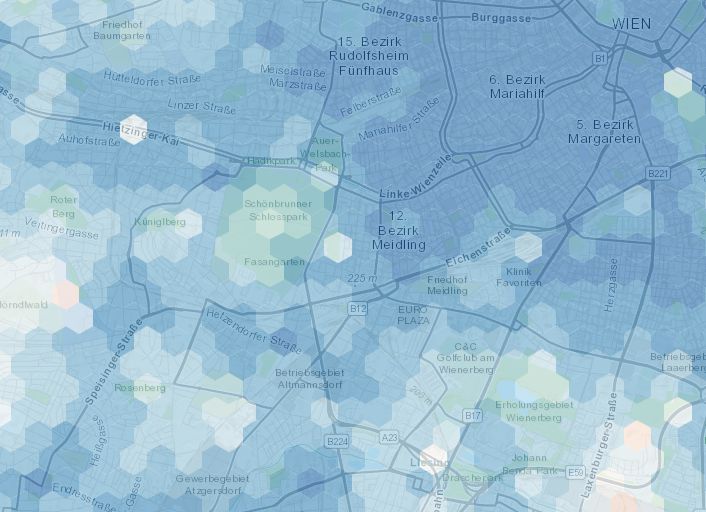
The map shows how close services are if one lives in different areas of the city: in red areas the time needed to access the closest services is on average higher than 15 minutes, while the blue are 15-minute areas. We consider the average time of accessibility to the closest 20 POIs.
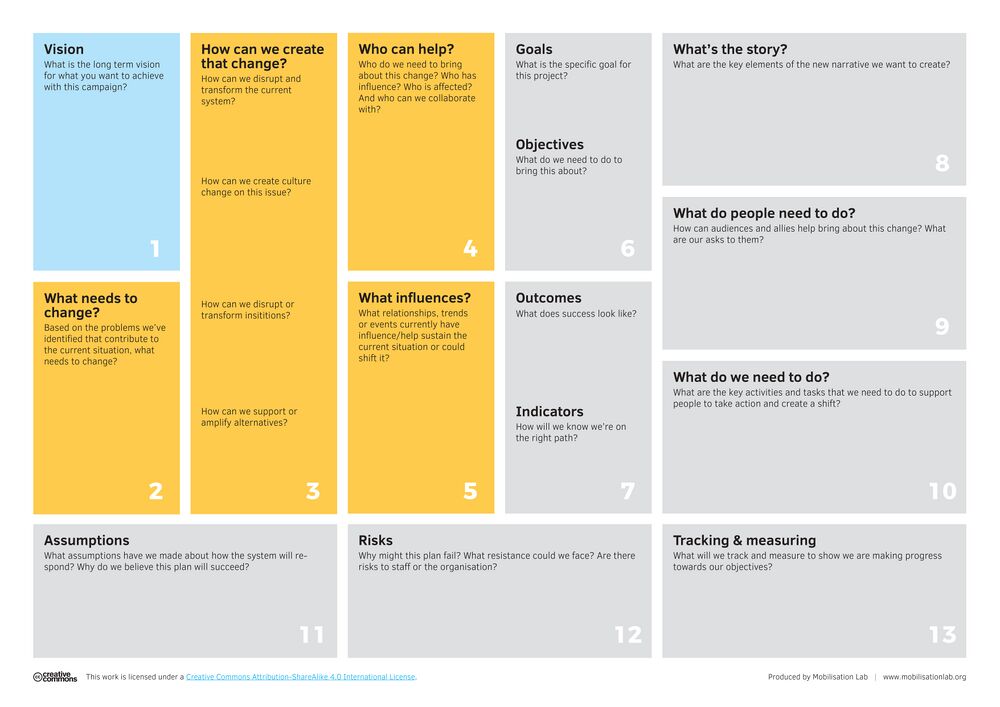
Break your vision down with a Campaign plan
A campaign is a planned, time-limited series of targeted measures. This campaign structure helps you to break down your vision into achievable steps.
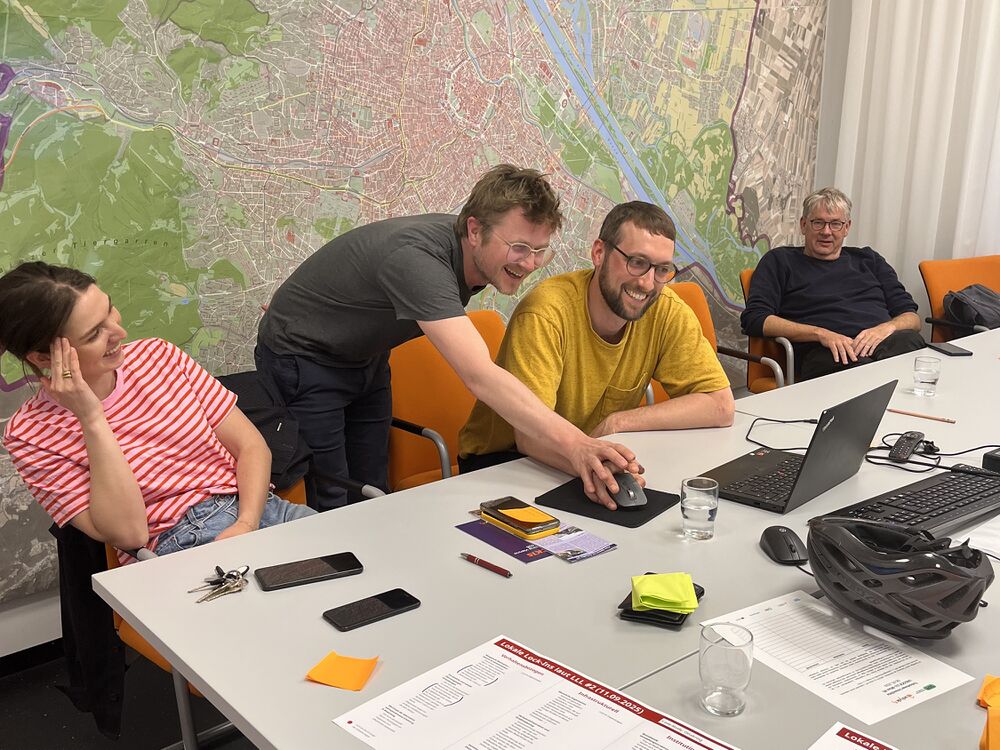
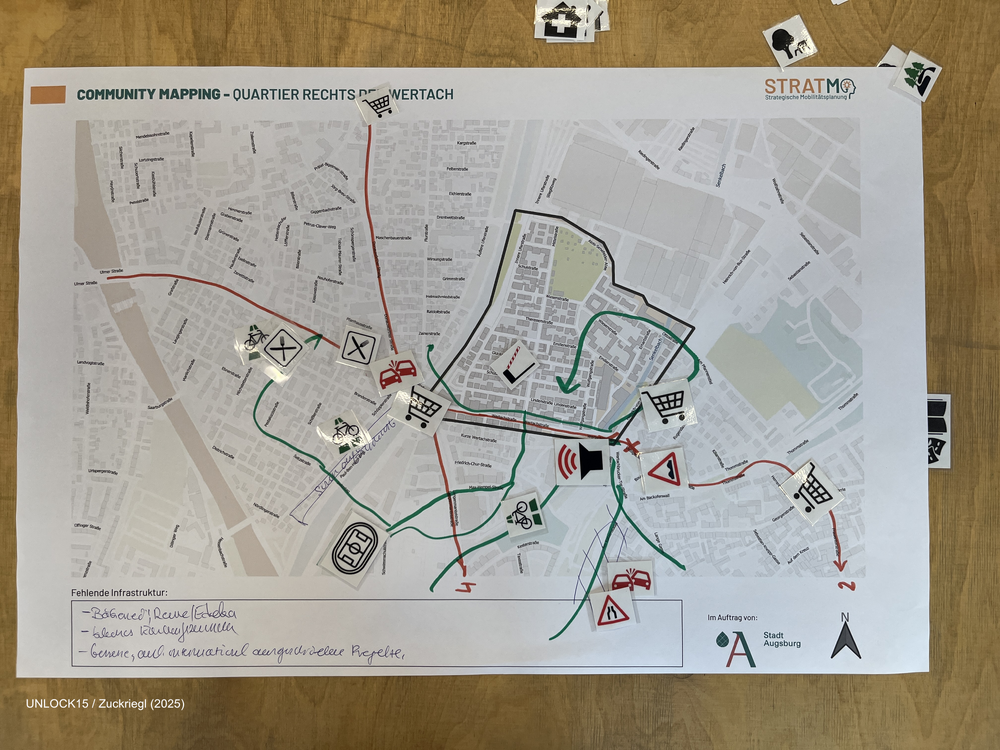
Community mapping
Collaboratively mapping maps about a neighbourhood can shed light on factors that influence everyday transport-related decisions.
Crowd Funding
Crowdfunding — and specifically civic crowdfunding — is an approach where communities, individuals, and organizations collectively finance local public projects through online platforms, often in combination with contributions from municipalities, foundations, or companies.
Developing a convincing story for your campaign
The framework of "Story-Based Strategy" helps you figure out your campaign’s narrative strategy. It’s composed of tools or worksheets that you can use to analyze the opposition’s story, the current popular narrative about your issue, and develop a way of pitching or talking about your issue that will win over the folks you need to win!
Forecasting change

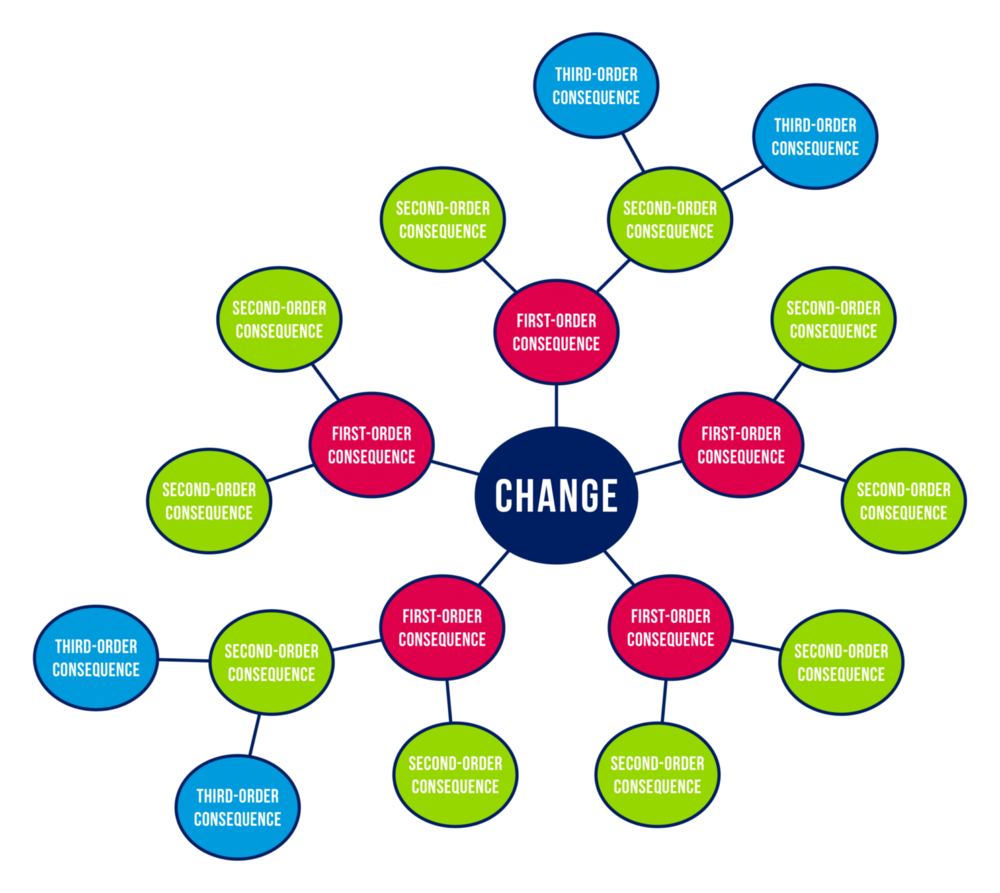
The Futures Wheel is a visual foresight and brainstorming tool invented by American futurist Jerome C. Glenn in 1971, designed to graphically map the primary, secondary, and tertiary consequences of a specific event, trend, or change using a circular diagram with concentric rings radiating from a central hub.

The method works by placing a central change or issue at the core of the diagram — for example, a new policy, a social trend, or a strategic decision — and then working outward in layers. The first ring captures direct, first-order consequences; from each of those, a second ring of second-order consequences is generated, and so on — surfacing implications beyond the immediate and obvious, and helping develop an understanding of causality through ripple effects.

Getting to the core of human behaviour

The Five Whys is a simple yet powerful research method from human-centered design. Starting with a broad question about a person's habits or behaviours, you ask "why" five times in a row — not horizontally ("why else?") but vertically, going deeper with each answer until you uncover the emotional and human roots of a problem. The method takes only about 15 minutes, requires nothing more than pens and paper, and is designed to get to the core of a person's beliefs and motivations.
Headlines from the future
A participatory activity to support aspirational goal setting, by imagining a more positive future.
Joint Survey between initiatives and district politics

A joint survey between district politics and initiatives has potential to drive change. A survey means to ask inhabitants of an area what they like or don't like about status quo and what they want to change. The initiative has local knowledge of the area and knows what is important to ask. The survey results give politicans guidance what kind of change is backed up by the inhabitants. From our experience a joint survey is possible when

  1. all involved people are amicable towards each other
  2. there is a third neutral party (for example science project or neighbourhood management) that coordinates the process
Learning public participation hub

The Vienna Climate Team is a participatory initiative in Vienna that brings residents, local stakeholders, and the city administration together to co-develop and implement climate protection measures at the district level. It enables citizens to submit ideas, collaborate with experts, and take part in decision-making processes related to urban sustainability.
Understanding your target groups
Card Sort is a simple yet powerful method for uncovering what matters most to your target audience. Participants rank a set of word or image cards by preference, quickly revealing key priorities and opening the door to deeper conversations about personal values and motivations.
Window Banner
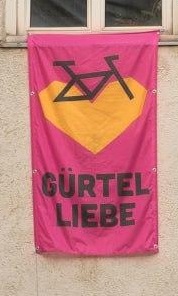
Initiatives use window banners to communicate their demands to the public. This creates visibility and helps the initiative grow, encouraging more and more people to join the cause and the banner campaign.