From Unlock15
Jump to: navigation, search
Tools
All tools with a focus on: Evidence / Vision / Action
Centralized participation plattform
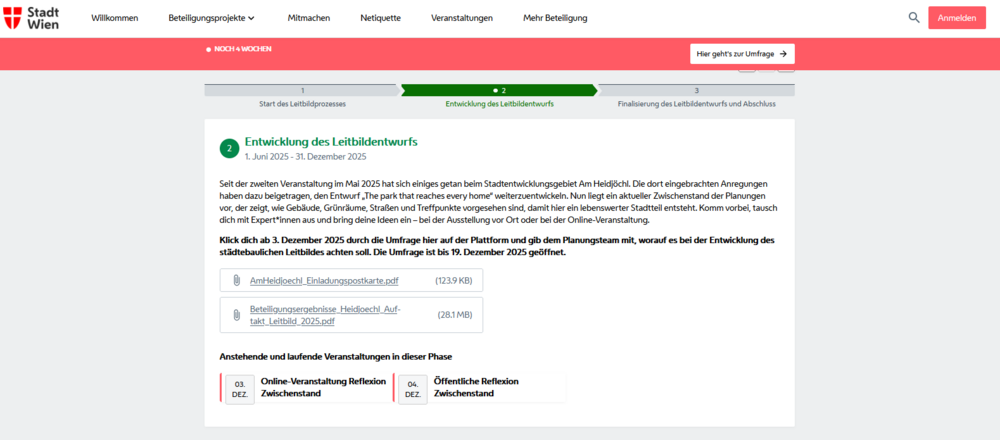
"Mitgestalten.wien" is an example for a centralized participation plattform. We used it to run a survey for Unlock15 in Vienna about the future development of a street. "decidim.org" and "govocal.com" are plattforms that can help you set up a centralised participation plattform.
Developing a convincing story for your campaign
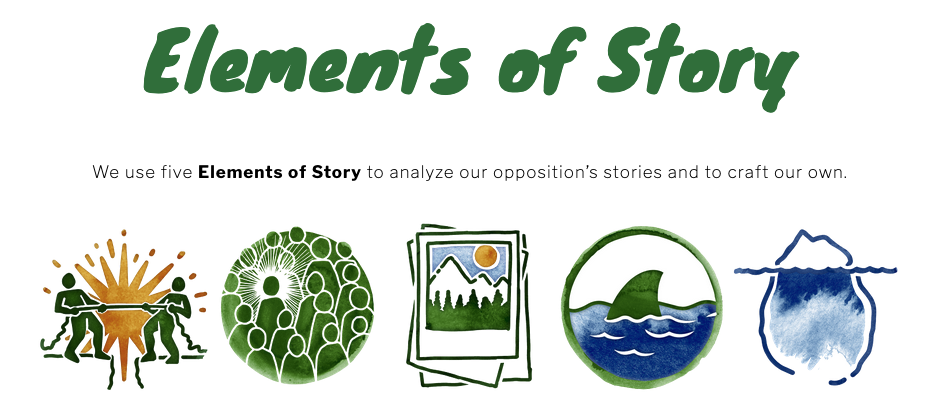
The framework of "Story-Based Strategy" helps you figure out your campaign’s narrative strategy. It’s composed of tools or worksheets that you can use to analyze the opposition’s story, the current popular narrative about your issue, and develop a way of pitching or talking about your issue that will win over the folks you need to win!
Low effort survey in public space

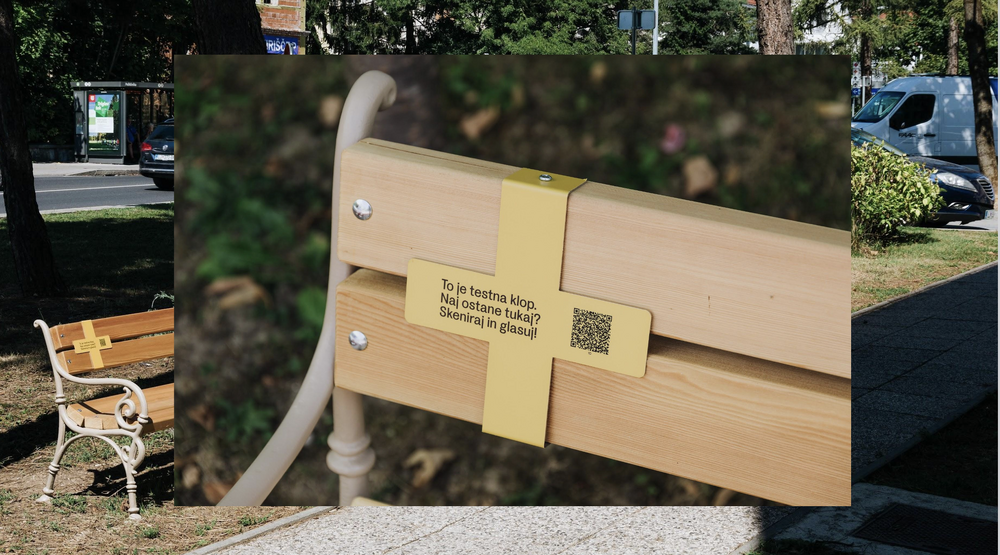
The picture stems from Ljubljana, where the urban design studio prostorož set up benches in public space. They attached a QR-Code, where people could vote if they wanted this bench to stay. In a short period of time about 400 people voted, that they would like the bench to stay because they frequently use it. On this basis prostorož talked to the people in charge of that area. The survey was enough evidence for them to let the benches stay! What a success!

In case this inspires you to take action: Make sure that the QR-code is made out of solid material, that endures the time you want the survey to last. The tool material link will lead you to a website where different survey tools are offered, a lot of them without additional costs.
Mapping and analysing facades

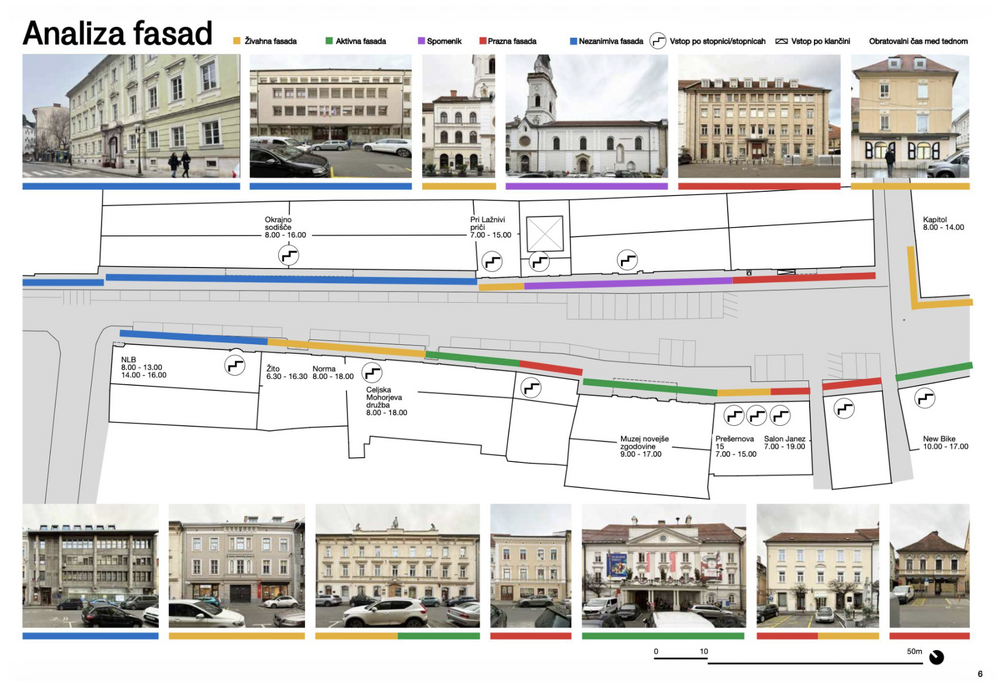
"We need parking space otherwise our shops will die!" This is an argument often brought forward by opponents of street transformation. The urban design studio prostorož confronted this claim with evidence. They analysed the facades of the street by the following categories: Lively facade, active facade, monument, empty facade, unremarkable facade. They could show that a lot of the ground floor was at that point in time not occupied.

prostorož combined this analysis with analysing parking place occupancy and human behaviour to build an even stronger argument: A street full of cars is not helping shops at the moment. By combining all these analysis they managed to convince the decision makers to give that street a human friendly makeover!
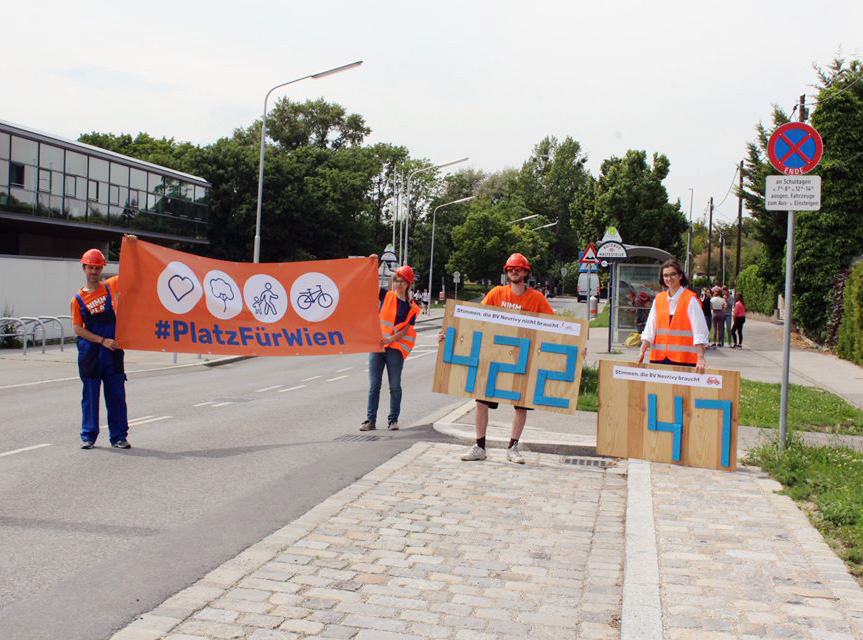
Staging evidence for safer school streets
Excel sheets come to your mind when thinking of evidence? Think twice! The initiative "Wir machen Wien" showed powerfully how to not only collect valuable evidence, but also how to stage it in a dramatic way. They counted bikes, pedestrians and cars in a street in front of a school. The data showed a vast majority of the users (422) use the street by foot or bike. Nevertheless, the street is designed for cars, that represent a minority of the users (47). They designed wooden signs that clearly showed this discrepancy to passers-by, which sparked conversations. They also staged a photo, that you can see attached. They used the photo in a press release, which made local newspapers cover the story.
Streetgames
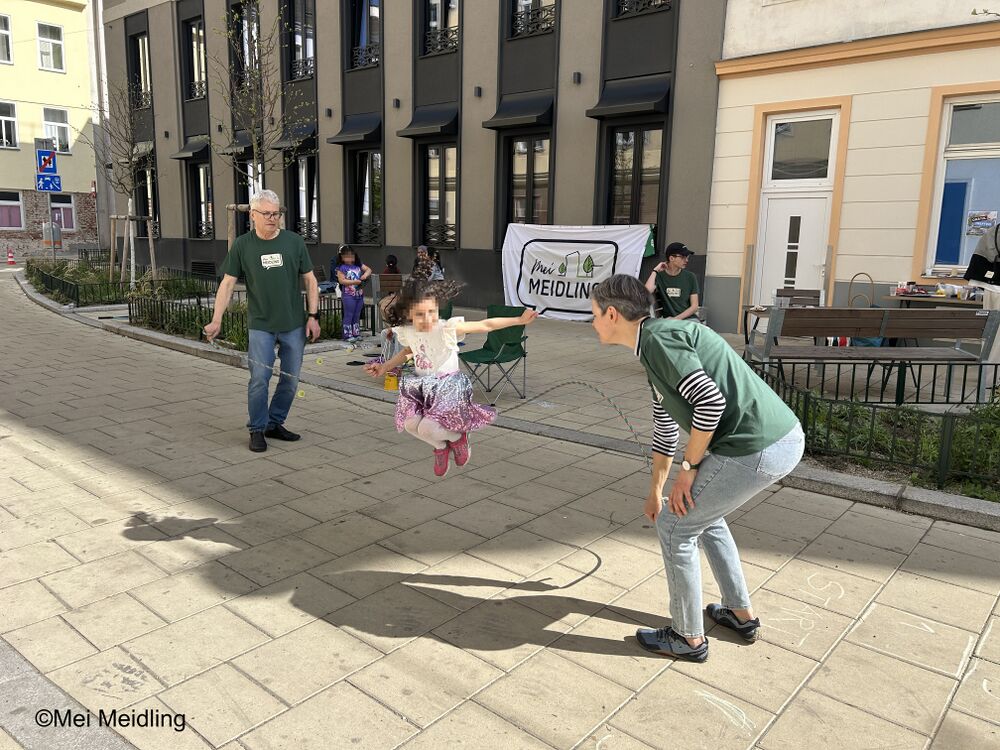
How your neighbourhood should look like should be a concern of everybody living there, right? In reality it can be hard getting in touch with people about this topic. Especially if they have a different social or cultural background than you. The initiative "MeiMeidling" faced this challenge and had a breakthrough: They blocked an alley from cars and organised street games. Especially the big skipping rope was loved by the kids. In no time the parents joined. For the first time members of the initative talked to neighbours, that were strangers to them until this moment. Knowing your neighbours does not only increase life quality but also paves the way for better communication about how this neighbourhood should look like in the future.
Understanding your target groups
Card Sort is a simple yet powerful method for uncovering what matters most to your target audience. Participants rank a set of word or image cards by preference, quickly revealing key priorities and opening the door to deeper conversations about personal values and motivations.