From Unlock15
Jump to: navigation, search
Tools
All tools with a focus on: Evidence / Vision / Action
15min-City online Maps
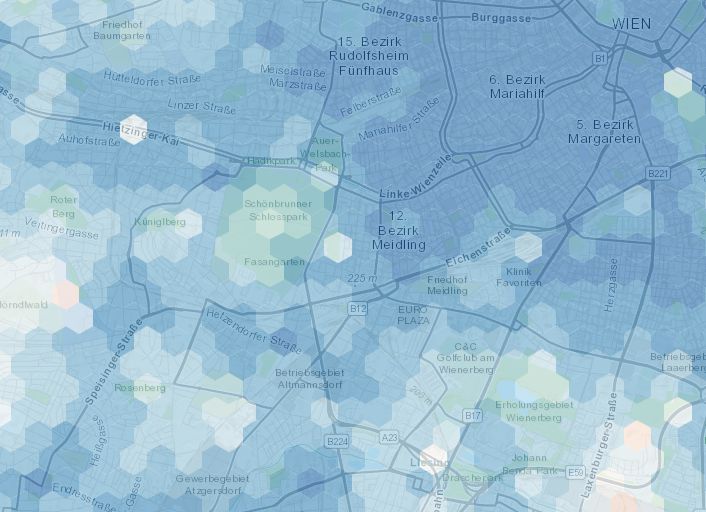
The map shows how close services are if one lives in different areas of the city: in red areas the time needed to access the closest services is on average higher than 15 minutes, while the blue are 15-minute areas. We consider the average time of accessibility to the closest 20 POIs.
A shared digital ToDo-List to get you vision on track
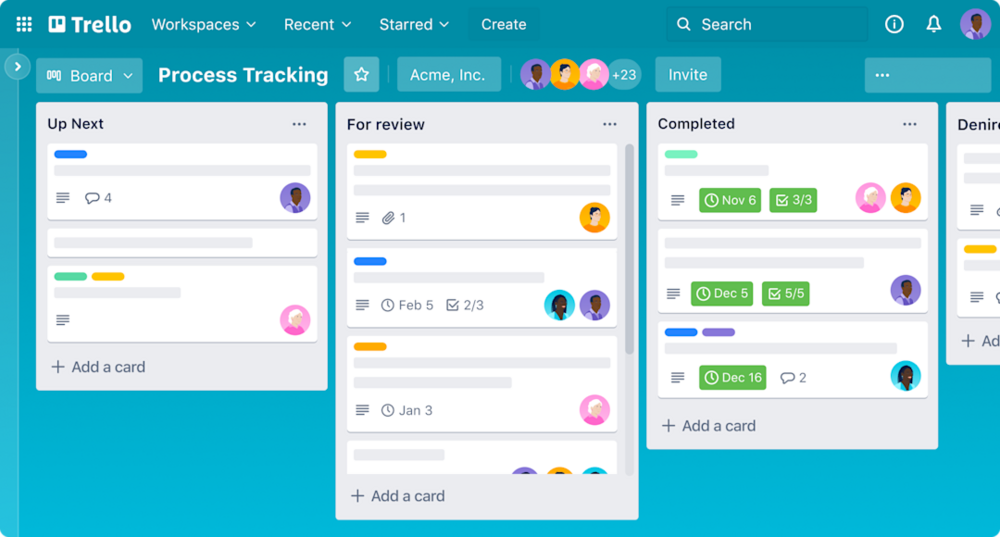
There are several digital to do lists out there, that can help you as a group to organise projects, assign tasks, set deadlines, and track progress collaboratively. Trello is free until ten collaborators, wekan and kanboard are completely open source.
Align on Your Impact Goals
Get crystal clear on the change you want to achieve, in the near-term and long-term. Impact is a very loosely used term universally, and can be used to describe an influence or effect on virtually anything. Taking time to explore and align on your impact goals will ensure that your team and stakeholders are all working towards the same vision of success.
Art Spin bike tour
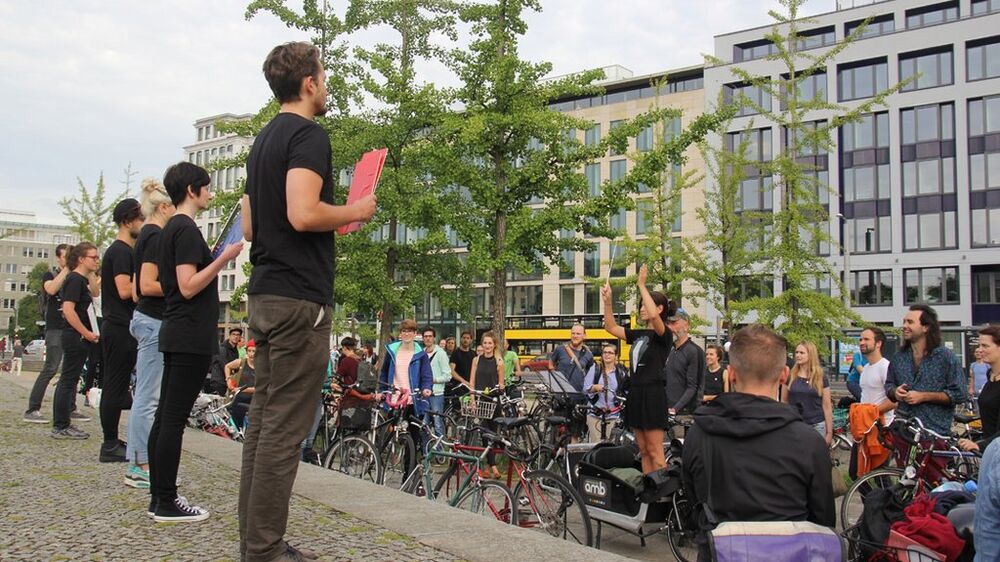
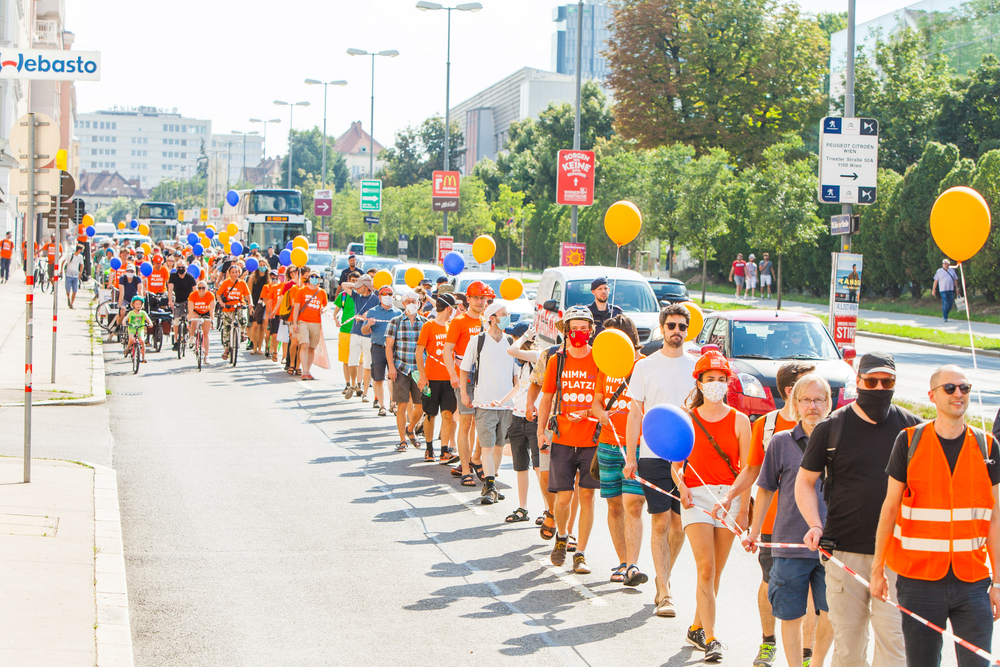
The aim of the tour is to challenge traditional contexts of exhibiting art by producing new creative content in unconventional locations, while at the same time promoting urban cycling and sustainable communities. See also RAD performance in Vienna as an example.
Building durable groups with low hierachies
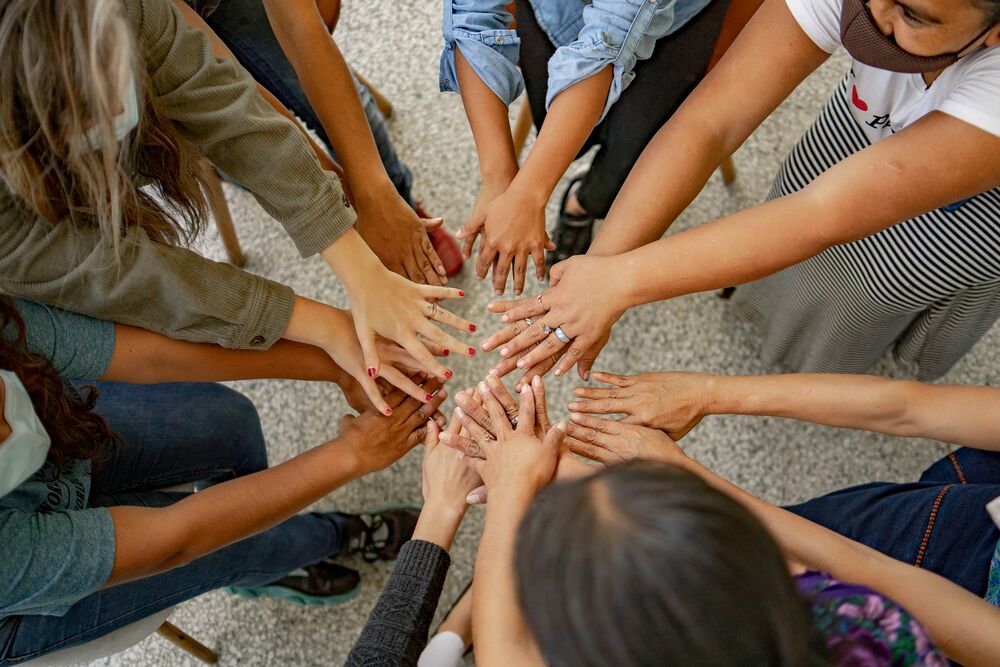
Defining goals, structures, roles and means of decision making are all crucial parts of founding and maintaining collectives, cooperatives, and other groups. Many aspects of organisation however remain ad hoc, informal and opaque, creating the possibility of power imbalances, misunderstandings and exclusion. The link will lead you to website with key questions that any group should consider and define during its formation.
Centralized participation plattform
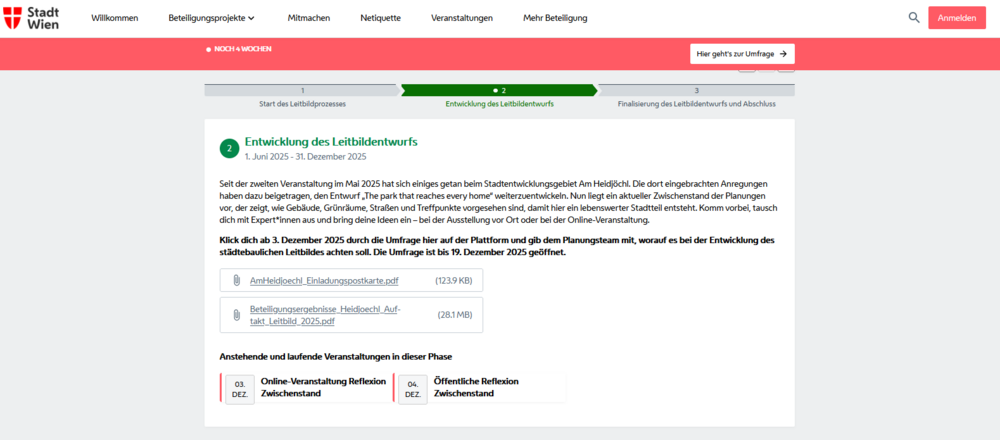
"Mitgestalten.wien" is an example for a centralized participation plattform. We used it to run a survey for Unlock15 in Vienna about the future development of a street. "decidim.org" and "govocal.com" are plattforms that can help you set up a centralised participation plattform.
Collaborative heat maps
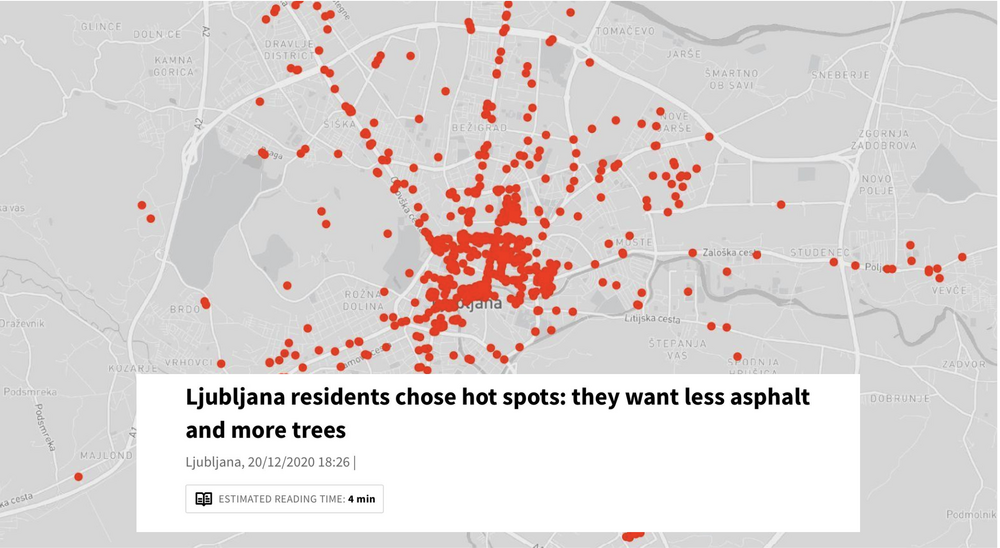
Websites like mapperoni and uMap let you create maps with layers in a minute, embed them in your site or share them with others to contribute. An example: The urban design office prostorož invited citizens of Ljubljana in 2020 to vote for locations they experience as hot. In three weeks, they cast around 700 votes. The data was consistent with the locations of heat islands measured by satellite thermal imaging. The responses showed that people change routes and habits in the summer or avoid certain locations in the city altogether due to the heat. Respondents also suggested their own cooling measures - they want more and bigger trees, less asphalt, less concrete, and less parking spaces. This map was then published in newspapers and reached a big audience.
Collecting data about parking occupancy

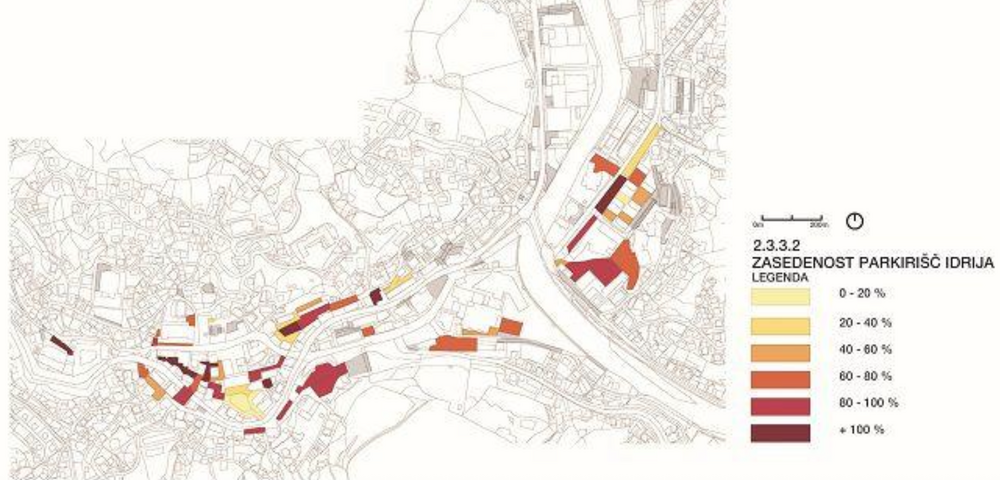
Opponents of street transformation often claim, that there are to little parking possibilities. But is that true? Evidence in Ljubljana showed that the city has rather a problem with how parking space is unevenly occupied. The urban design studio prostorož suggested the following steps to collect data about parking space occupancy.

  1. define the area of observation (street / block / neighbourhood)
  2. prepare the site plan of all the parking spots you will observe / have access to, regardless of ownership
  3. set a hypothesis (e.g. parking is occupied by employees, not generating income for local shops)
  4. create an observation plan: check occupancy one Wednesday and Saturday; and granular occupancy of observed parking lots every 2 hours, starting from 5 AM to 12:00 PM
  5. graphically present data and interpret results
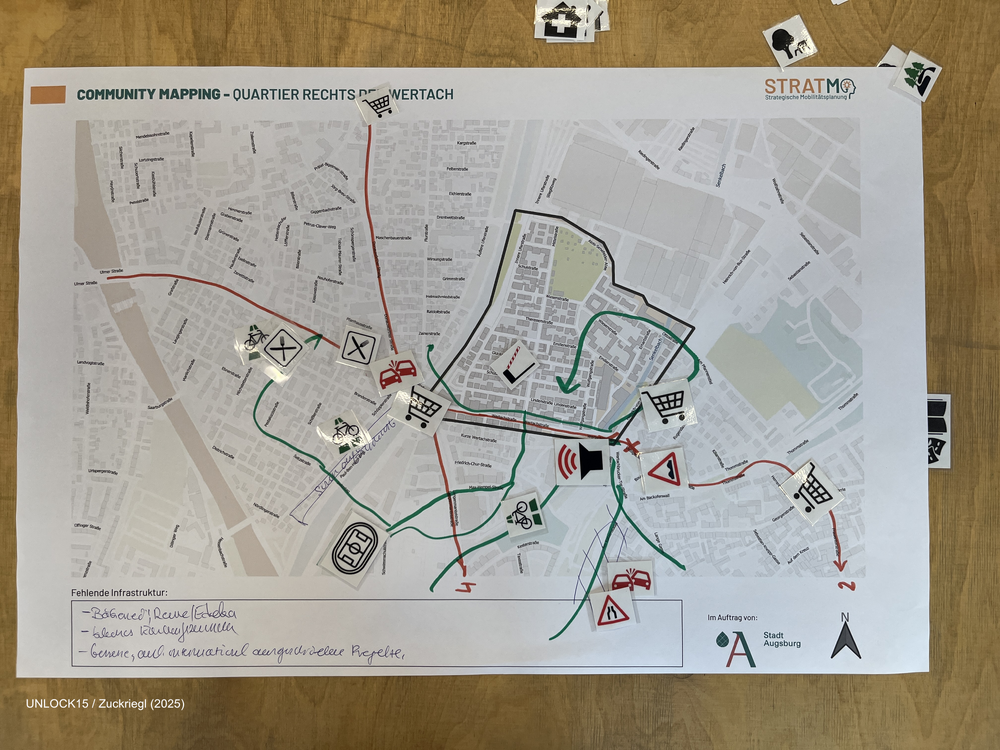
Community mapping
Collaboratively mapping maps about a neighbourhood can shed light on factors that influence everyday transport-related decisions.
Developing a convincing story for your campaign

The framework of "Story-Based Strategy" helps you figure out your campaign’s narrative strategy. It’s composed of tools or worksheets that you can use to analyze the opposition’s story, the current popular narrative about your issue, and develop a way of pitching or talking about your issue that will win over the folks you need to win!
Efficient decision making in low hierachy settings
Sociocracy is a governance and decision-making method designed to enable self-organization in groups and organizations without traditional top-down authority. Rather than relying on majority votes or hierarchical decisions, sociocracy is based on the consent principle: a decision is valid as soon as no member of the circle has a serious, well-founded objection — meaning arguments count, not the number of votes.
Forecasting change

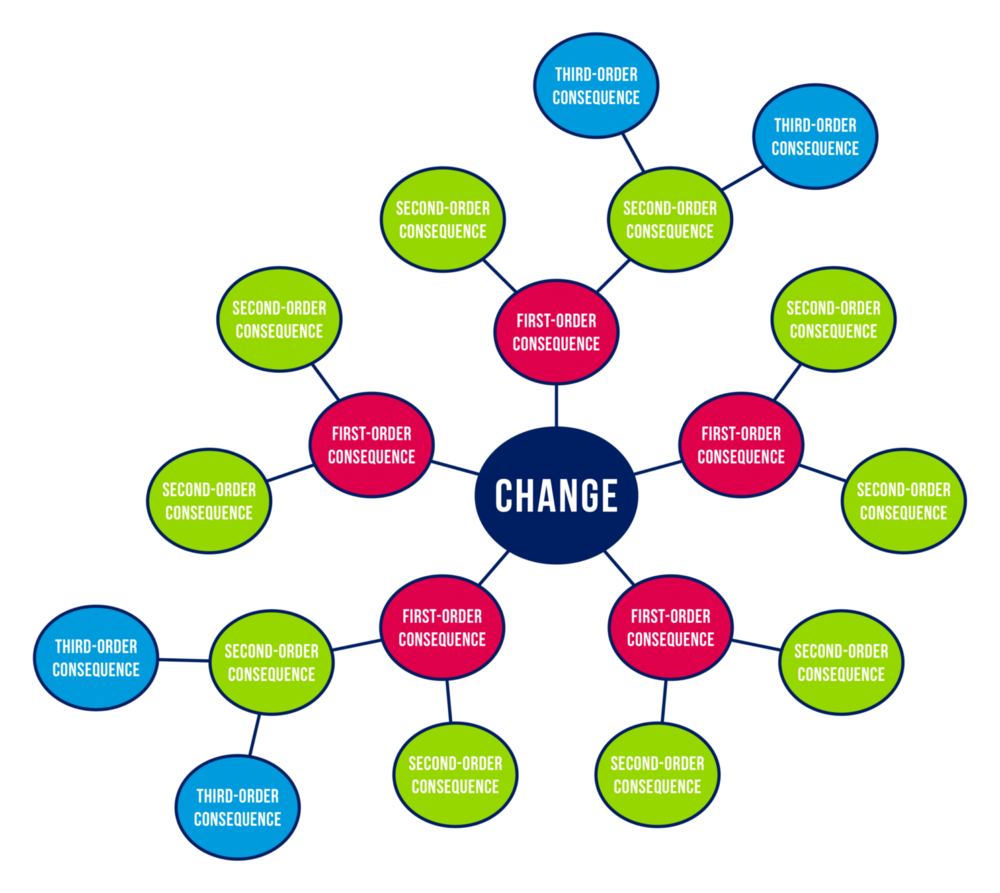
The Futures Wheel is a visual foresight and brainstorming tool invented by American futurist Jerome C. Glenn in 1971, designed to graphically map the primary, secondary, and tertiary consequences of a specific event, trend, or change using a circular diagram with concentric rings radiating from a central hub.

The method works by placing a central change or issue at the core of the diagram — for example, a new policy, a social trend, or a strategic decision — and then working outward in layers. The first ring captures direct, first-order consequences; from each of those, a second ring of second-order consequences is generated, and so on — surfacing implications beyond the immediate and obvious, and helping develop an understanding of causality through ripple effects.
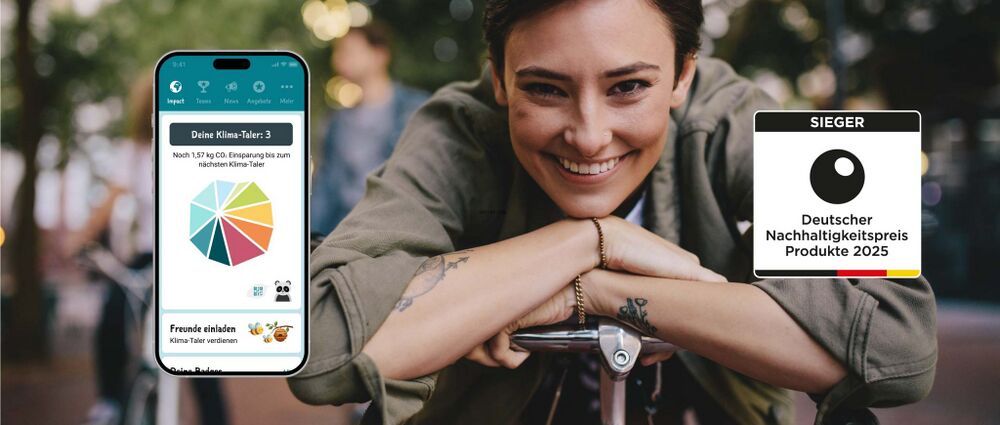
Gamification of climate friendly behaviour

Gamification is the application of game-design mechanics — such as points, rewards, competitions, challenges, and progress tracking — to non-game contexts in order to motivate behaviour change. In the context of urban sustainability and mobility, it turns everyday choices like taking public transport, cycling, or saving energy into visible, rewarding actions that feel meaningful and fun rather than obligatory.
Getting to the core of human behaviour

The Five Whys is a simple yet powerful research method from human-centered design. Starting with a broad question about a person's habits or behaviours, you ask "why" five times in a row — not horizontally ("why else?") but vertically, going deeper with each answer until you uncover the emotional and human roots of a problem. The method takes only about 15 minutes, requires nothing more than pens and paper, and is designed to get to the core of a person's beliefs and motivations.
Headlines from the future
A participatory activity to support aspirational goal setting, by imagining a more positive future.
Low effort survey in public space

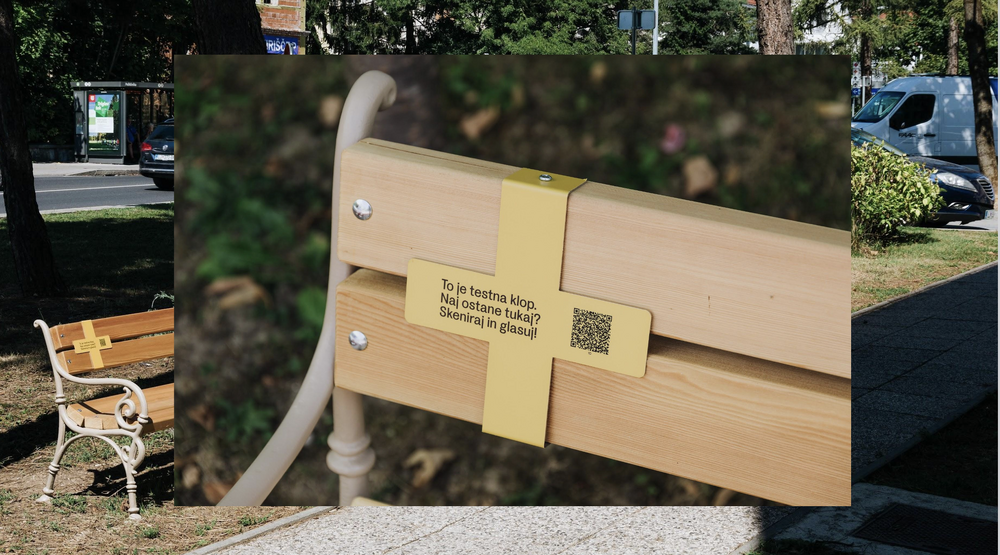
The picture stems from Ljubljana, where the urban design studio prostorož set up benches in public space. They attached a QR-Code, where people could vote if they wanted this bench to stay. In a short period of time about 400 people voted, that they would like the bench to stay because they frequently use it. On this basis prostorož talked to the people in charge of that area. The survey was enough evidence for them to let the benches stay! What a success!

In case this inspires you to take action: Make sure that the QR-code is made out of solid material, that endures the time you want the survey to last. The tool material link will lead you to a website where different survey tools are offered, a lot of them without additional costs.
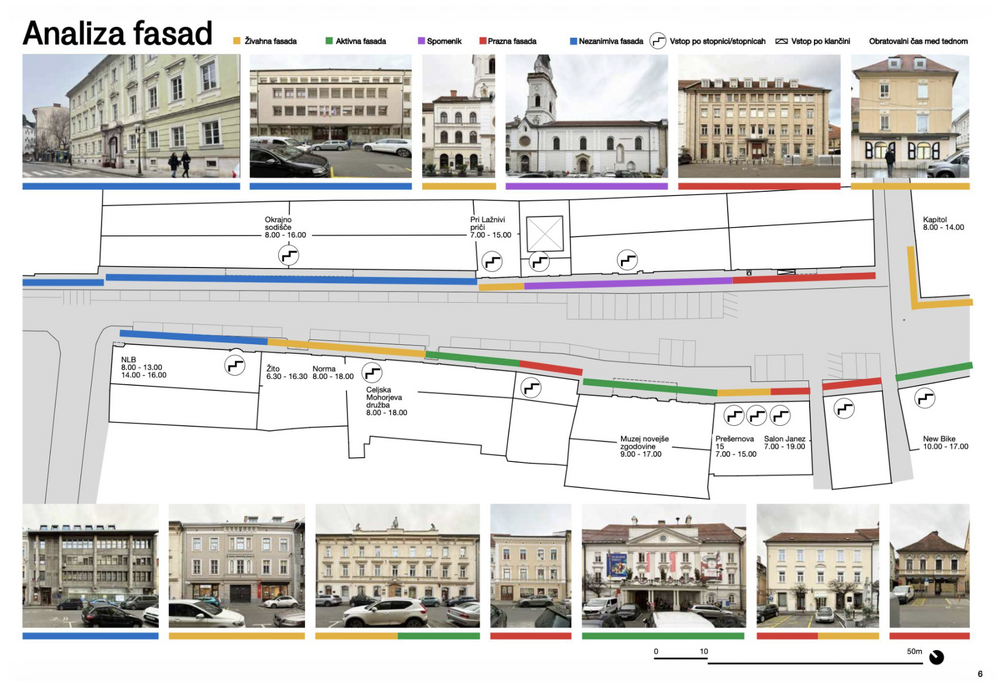
Mapping and analysing facades

"We need parking space otherwise our shops will die!" This is an argument often brought forward by opponents of street transformation. The urban design studio prostorož confronted this claim with evidence. They analysed the facades of the street by the following categories: Lively facade, active facade, monument, empty facade, unremarkable facade. They could show that a lot of the ground floor was at that point in time not occupied.

prostorož combined this analysis with analysing parking place occupancy and human behaviour to build an even stronger argument: A street full of cars is not helping shops at the moment. By combining all these analysis they managed to convince the decision makers to give that street a human friendly makeover!
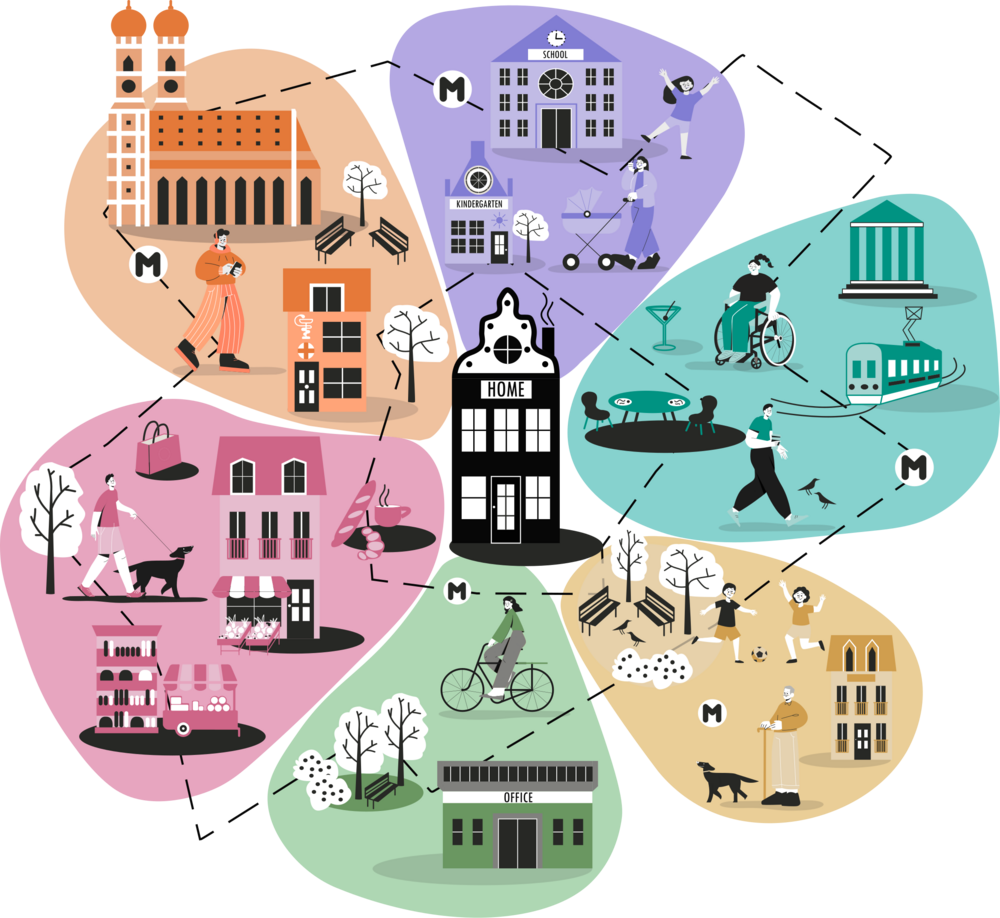
Measuring the 15-min city: Flowers of Proximity
The flowers are a planning tool that invites participants to look beyond their current travel routines by imagining instead how they would like to get around. This perspective grounds accessibility planning in people's needs and desires, helping make cities more livable, sustainable, and fair.
Newspaper of Tomorrow
When different stakeholders come together, they bring different perspectives. This is of great value for participatory and collaborative work. However, there is a risk that objectives and goals are different and difficult to combine. Creating a shared vision in the group becomes then an essential part of a project. This tool can be very helpful to reach this objective in a creative way.
Observing and visualising human behaviour in public space

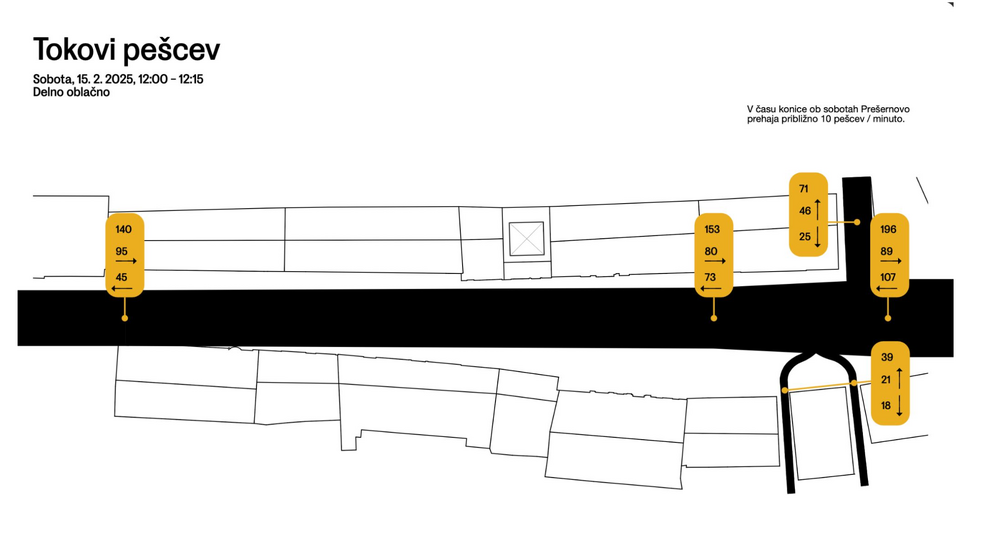
Collecting data on how people use space can give you a solid foundation to discuss how it should be designed. The free public live app helps you to collect the data you need when observing people. The second link leads you to a website where you can download an analog version with excel sheets. The picture is an example how you could visualise the collected data, done by urban design studio prostorož.
Onboarding framework

The Onboarding Framework is a structured yet flexible tool designed to help grassroots civil society initiatives welcome and integrate new volunteers with as little friction as possible.

The framework helps initiatives answer three core questions: What does a new volunteer need to know, feel, and do to get started? Where do their skills and interests fit best? And how can the organization make that first step feel easy, welcoming, and worthwhile?

By providing a clear path from curiosity to commitment, the Onboarding Framework reduces dropout at the earliest stage, builds a sense of belonging from day one, and ensures that volunteer energy is channeled effectively — strengthening the initiative's capacity from the bottom up.

Petition: Collect signatures to back up your local vision!

You have a very clear picture of the local change you want to achieve? You want to show decision makers how much support your vision locally has? Then a petition might be your cup of tea to drive change.
Plenary for Emotions

A plenary for emotions is a structured group format that creates dedicated space for emotions and interpersonal dynamics within a collective or initiative — separate from task-oriented or decision-making meetings. Rather than pushing emotions to the margins of group life, the Emo-Plenum treats them as essential information: a signal about the health, motivation, and tensions within the group.

It is recommended to have a person that facilitates the plenary. This means guiding through the structure and keeping an eye on the time. This is how a Plenary of Emotions can be structured:

  1. Round: Each person expresses how they feel. In regards to the group but also in general. Resist the temptation to react to what has already been said and focus on yourself. The round is finished when everybody has shared something.
  2. Round: In the same order as before people can react to what has been said by others. The focus lies on validating and relating to emotions of others not jumping into problem solving mode right away. The round can go as long as people have to say something.
  3. Round: Collect next steps from what has been said. This can happen but doesn't have to.
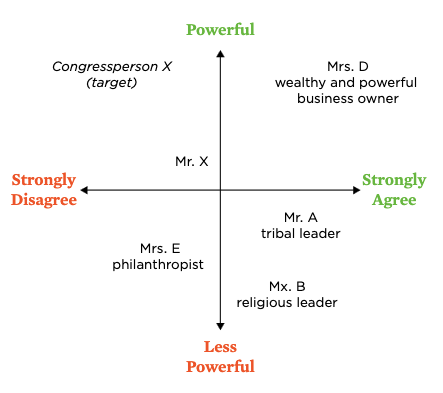
Power Mapping
Power Mapping is a visual method for strategically analyzing actors, relationships, and dynamics of influence. It helps identify the right target individuals or institutions — those who actually have the authority to make or shape decisions — and reveals through which pathways and allies one can gain access to them or build pressure on them.
Presswork to spread your vision
Presswork helps you to spread your vision of change. With a little preperation and a good idea, your work could be covered in the local news by tomorrow. Attached you will find a guide in english and german for successful presswork.
Public Engagement Onion

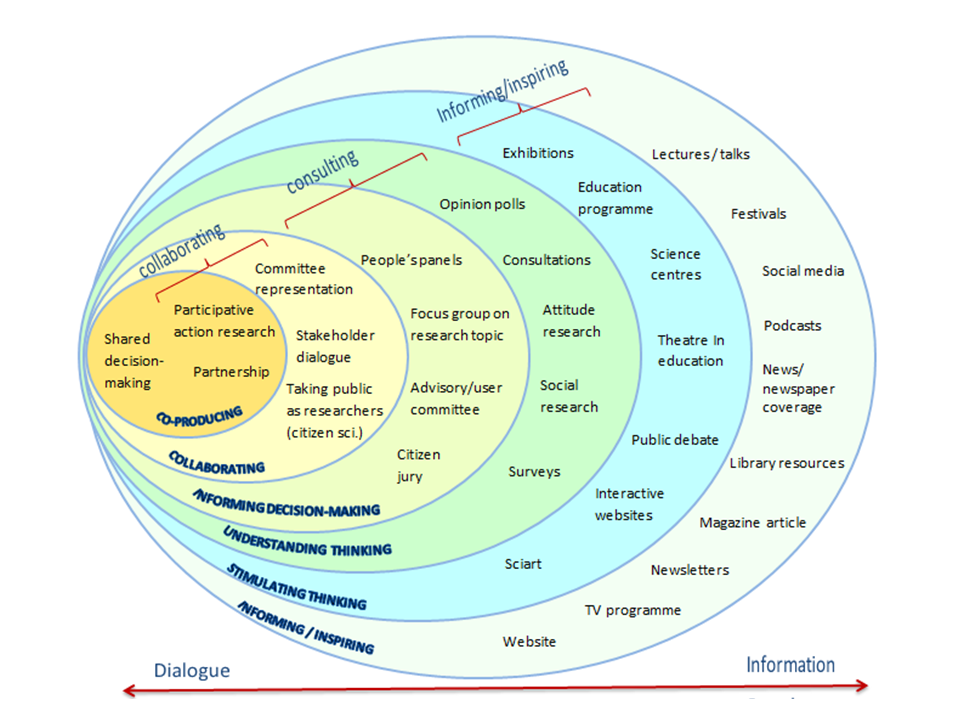
The Public Engagement Onion is a visual framework originally developed by the Wellcome Trust that maps the different levels and forms of public engagement — from broad, one-directional communication to deep, two-way collaboration.

Like the layers of an onion, the model moves from the outside in: the outer layers represent activities such as broadcasting information or raising awareness, where the engagement is relatively wide-reaching but shallow. Moving toward the center, activities become more interactive and participatory, culminating in shared decision-making and co-creation at the core.

Staging evidence for safer school streets

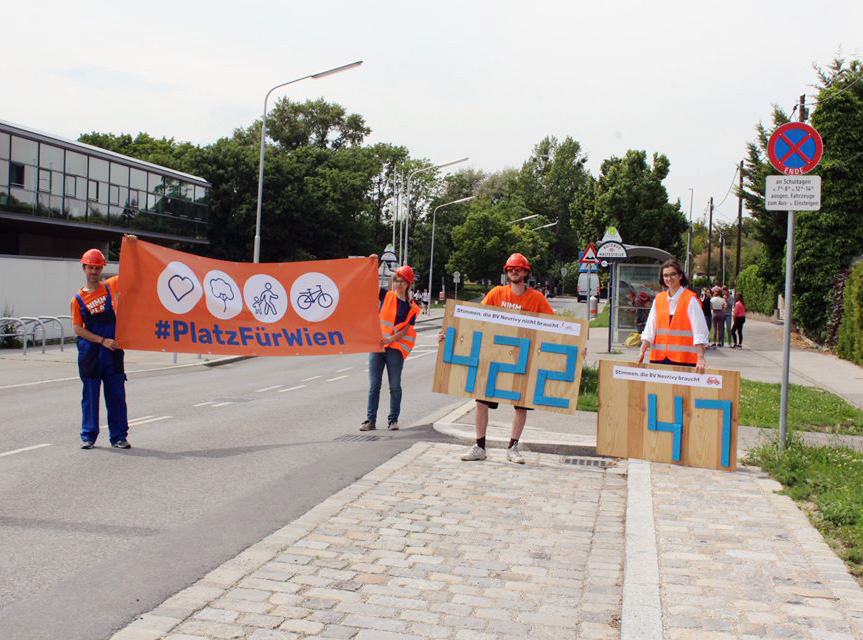
Excel sheets come to your mind when thinking of evidence? Think twice! The initiative "Wir machen Wien" showed powerfully how to not only collect valuable evidence, but also how to stage it in a dramatic way. They counted bikes, pedestrians and cars in a street in front of a school. The data showed a vast majority of the users (422) use the street by foot or bike. Nevertheless, the street is designed for cars, that represent a minority of the users (47). They designed wooden signs that clearly showed this discrepancy to passers-by, which sparked conversations. They also staged a photo, that you can see attached. They used the photo in a press release, which made local newspapers cover the story.
Task & Maintenance: What Makes Groups Work?
This tool is a quick, easy tool that is effective at helping groups understand the different roles in making groups work: different leadership skills.
Tools to help communicate within a group

Communication platforms like slack or discourse have dedicated channels for different projects and teams, keeping discussions focused and easily searchable. On the scale of a small initiative they don't cost anything.
Understanding your target groups
Card Sort is a simple yet powerful method for uncovering what matters most to your target audience. Participants rank a set of word or image cards by preference, quickly revealing key priorities and opening the door to deeper conversations about personal values and motivations.